A wall that faces the trail is a different kind of wall
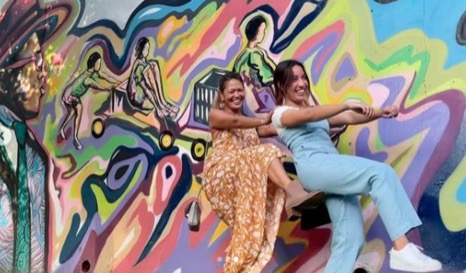
A street wall is seen by drivers at speed. A trail wall is seen by walkers, runners and cyclists at a pace that lets them look, stop and take a picture. That changes what works. Finer detail pays off, and so does a clear focal point at eye level. People pass the same wall many times, so the painting should have layers that reward a second look, and a spot where someone can stand for a photo.
It also changes the site. A trail-facing wall has foot traffic by the thousands but often no door in it. Owners who add a mural usually pair it with a way in: a gate, a patio opening, a window or a sign. A mural can tell passersby what the building is, but the door tells them how to get there. We can suggest a design that points toward your entrance.
The BeltLine runs through four very different areas
The trail passes through the Eastside, the Westside, the Southside and the Northside, and each has its own buildings and its own audience. The Eastside is dense and busy, with restaurants, apartments and mixed-use buildings. The Westside has industrial brick and large lots. The Southside has older neighborhoods and a mix of new and aging commercial property. The Northside is quieter, with residential edges and retaining walls.
We pair a mural with the setting. For example, a restaurant on the Eastside can carry a bold, playful wall because it competes with a dozen others, and a Westside warehouse can support a large, calm composition. For a more detailed look at those areas, see our pages on Old Fourth Ward and the Westside.
Who owns the wall, and who has to agree
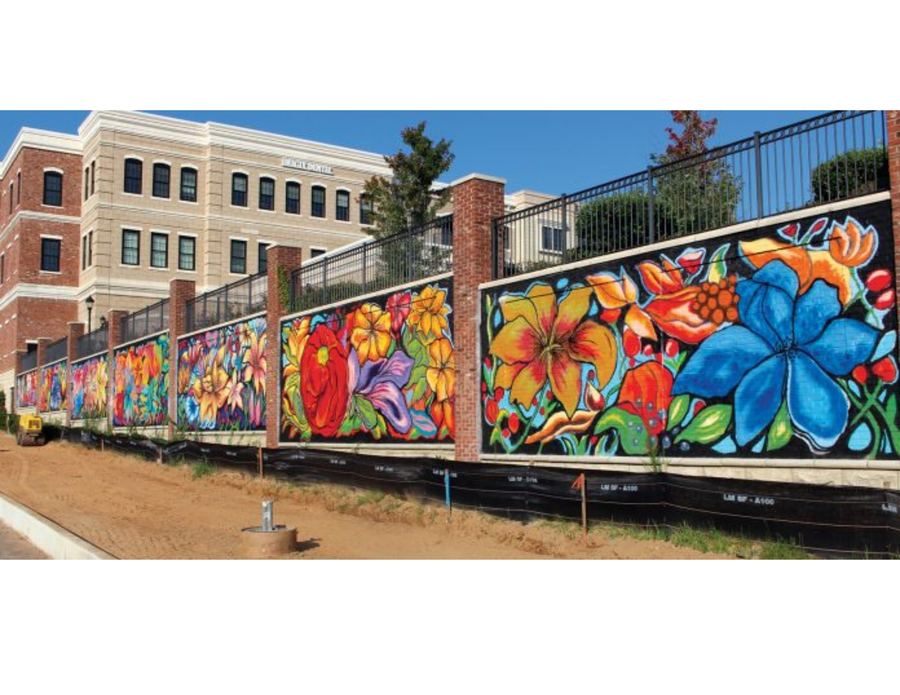
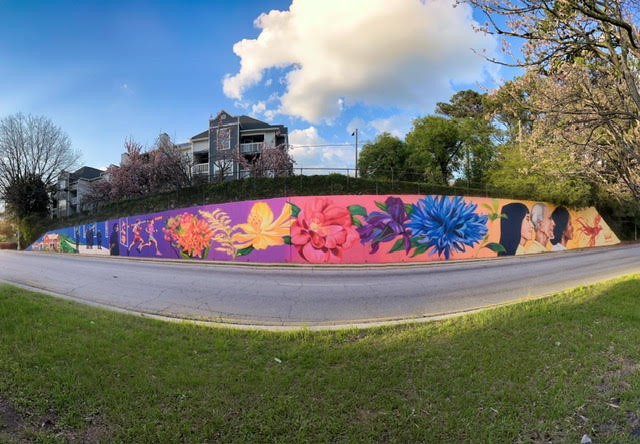
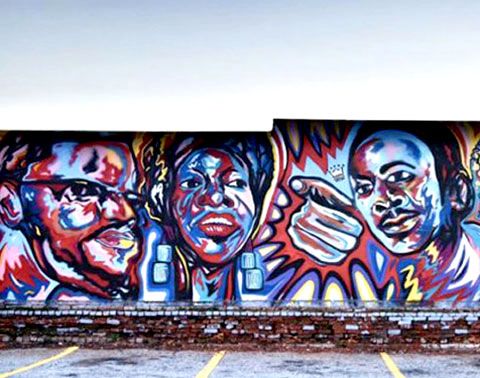
Start with ownership. Many walls near the trail belong to the building next to it, but the land the trail sits on is public, and a few walls belong to the trail itself or to the city. A mural has to be on a wall you own or have the owner’s written permission to paint. If the wall is on a shared boundary or an easement, ask your attorney or the property manager who has the right to alter it.
Visibility from public property can trigger a courtesy review or a permit, and some areas have design review. The rules vary by parcel. We explain what to check in our guide to mural permitting in Atlanta neighborhoods. Send the address with your request and the quote lists the approvals we expect, so there are no surprises after the design is signed.
Weather, sun and the long life of an outdoor wall
A trail wall is outside and will stay outside. The paint should be rated for exterior use, the surface should be cleaned and primed for its material, and a clear coat should protect the colors from sun and the surface from graffiti. Colors facing south and west fade faster than those facing north, and the design can account for that by using more fade-resistant pigments in the areas that get the most sun.
Plan for the season too. Atlanta’s spring and fall give the best painting weather. Summer heat dries paint fast and makes work uncomfortable, and winter cold can stop some paints from curing. If your date is firm, tell us. We can schedule the work in the best window available and set aside spare days for rain.
Letting the mural do business for you
Think about what a person on the trail should do after seeing the wall. If it is a restaurant, perhaps pick up a menu. If it is a leasing office, perhaps take a photo, tag the building and book a tour. If it is a brewery, maybe come in and find a seat. A mural can carry a short line, a logo or a small sign, but the biggest effect is usually the quality of the picture, because people share what they find beautiful.
You see a mockup on a photo of the actual wall within 5 business days of the deposit, with 2 revision rounds included. Nothing is painted until you approve the design. On our jobs, $1M general liability; we add you as additional insured, and the certificate arrives before anyone is on site.
What a BeltLine-facing mural costs
Price follows wall size. An accent wall of up to 50 sq ft, such as a gate surround or a short patio wall, typically runs $2,500–$6,000. A feature wall of 51–150 sq ft typically runs $6,000–$12,000. A statement wall of 151–400 sq ft, a full side of a trail-facing building, typically runs $12,000–$25,000. A landmark wall of over 400 sq ft, such as a long retaining wall, typically runs from $25,000.
Height, lifts, coatings, permits and after-hours work move the number. Insured artists, commercial-grade materials and a mockup are always included. Your quote is one written, all-in price. Your $750 design deposit starts the mockup and is applied to your final price. Painting usually starts within 4 weeks of approval.
Next steps
See how murals read in other districts on our mural maps, or read about Midtown murals and Decatur murals.
When you are ready, tell us about your wall. Send a photo of the wall from the trail, if you can. The 48-hour clock starts once we have your wall size and a photo or rough dimensions; weekends and holidays don’t count.