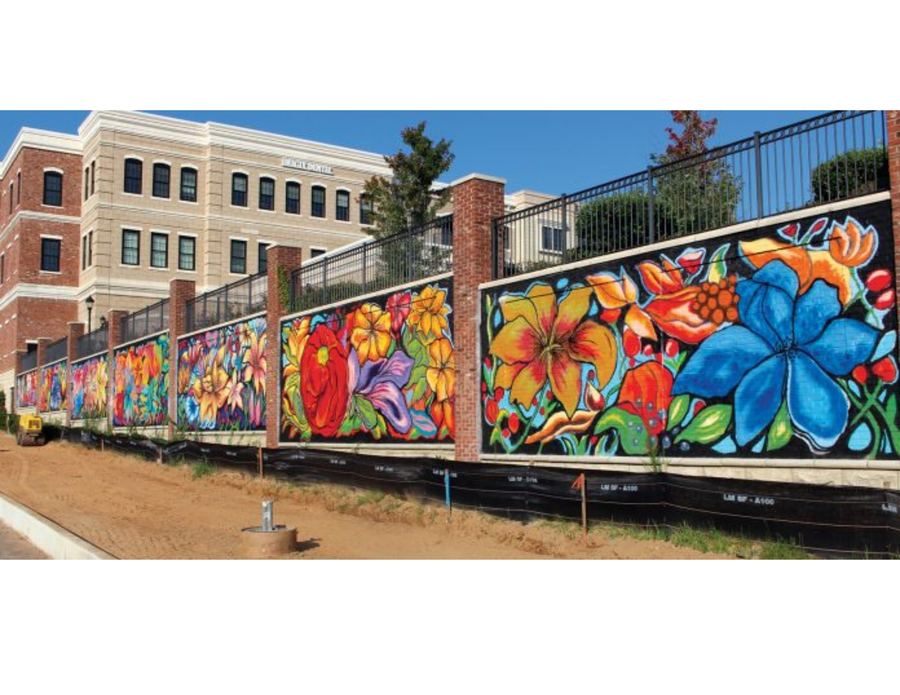
Why Old Fourth Ward walls get seen
Old Fourth Ward mixes older and newer buildings more closely than most Atlanta neighborhoods. Historic shotgun houses and converted warehouses stand a few blocks from new mixed-use buildings, and the BeltLine’s Eastside Trail runs through the middle of it. People walk, run and bike here at all hours, which makes a painted wall behave more like a sign than a decoration. It is read at walking speed, often more than once, by the same people.
That changes what a good Old Fourth Ward mural looks like. A wall facing the trail or a busy sidewalk should read in a glance from across the street and reward a closer look from ten feet. Neighbors will also see it every day, so subject matter that is warm, local or playful tends to last better than a loud one-note advertisement. A mural can carry your name or logo, but the best ones let the picture do most of the work.
Who commissions murals here
Most requests in this neighborhood come from four kinds of owners. Restaurant and bar operators want a patio wall, a bar backdrop or a street-facing side wall. Mixed-use and multifamily owners want something for a lobby, a courtyard, a garage wall or the side of a building that faces the trail. Retail and fitness tenants want a storefront that stands out on a block of similar ones. And small commercial landlords want to lift a plain brick or block wall that is hurting the look of a property they are trying to lease.
The needs differ, but the process is the same. We match the wall to a vetted artist, you receive one written all-in price, and you approve a mockup on a photo of your actual wall before any paint goes up. If your building is part of a larger group, tell us in the request. We can plan several walls together, and it usually helps to keep the look consistent.

Brick, block and the surfaces you will actually paint
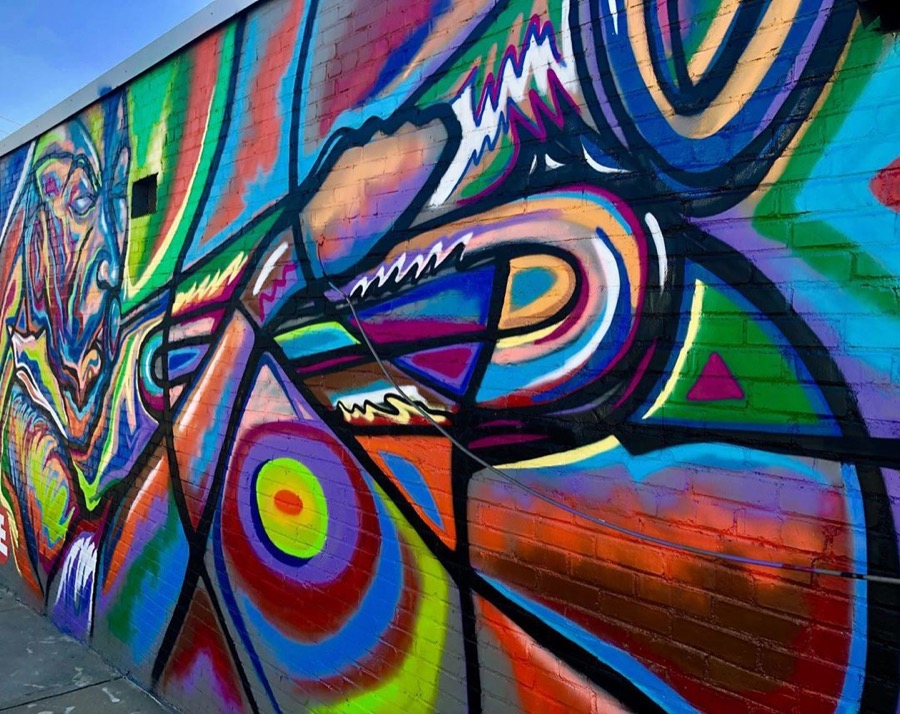
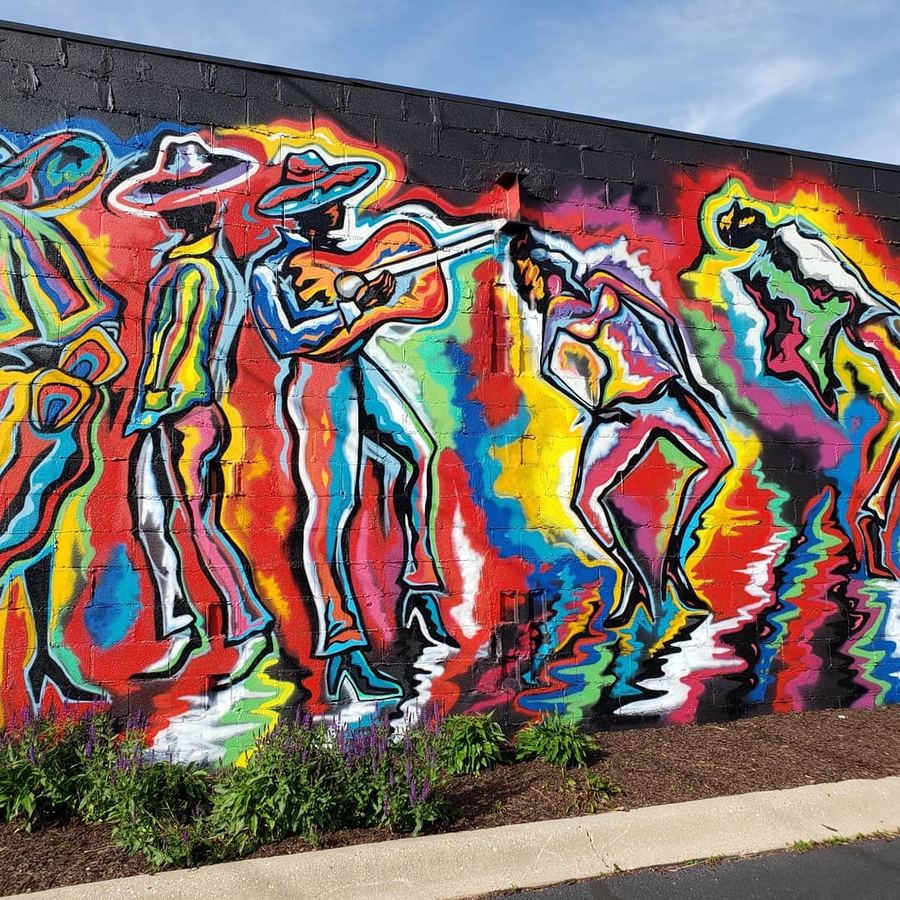
The surface decides the prep, and Old Fourth Ward has all of them. Older brick is common, and it absorbs paint and moisture, so it needs cleaning and a sealer or primer before color goes on. Painted block and stucco take a different primer. Metal panels, roll-up doors and fencing need a bonding coat. Newer concrete retaining walls and parking-deck walls are usually smooth and quick to prepare, but they can hold moisture and need time to cure.
Photograph the wall in the light you see most often, and tell us what it is made of. If the wall has been painted before, tell us that too, because peeling paint has to be removed. If the wall is on a street corner or facing the trail, ask for a protective clear coat. It makes later cleaning easier and helps the colors last through Atlanta summers.
Approvals to sort out before you paint
In a neighborhood this active, a mural is rarely only your decision. A tenant needs the owner’s written approval. A condo or a building with an owners’ association usually needs the board’s sign-off. A wall that faces the BeltLine or sits in a design-review area may need a courtesy review or a permit, depending on how visible it is from public property. The rules differ by property, so it is worth asking early.
We cover what to check in our guide to mural permitting in Atlanta neighborhoods. Send us the address with your request, and the quote notes which approvals we expect you to need. Handling this first saves the common surprise of an approved design that cannot go up on schedule.
Timing around a lease-up, an opening or a season
Many Old Fourth Ward murals are tied to a date: a grand opening, a leasing push, a festival weekend or a rebrand. Work backward from that date. Allow time for the mockup and revisions, for any approvals, and for the on-site days. Painting usually starts within 4 weeks of approval, and a feature wall is often finished in a few days.
Outdoor walls depend on weather. Rain delays painting, and very high heat and direct sun change how paint dries. Plan a few spare days on the schedule for an exterior wall, and tell us whether your date is firm. If it is, we can arrange the work around it from the start, instead of discovering the conflict halfway through.
What a mural costs in Old Fourth Ward
Price follows wall size. An accent wall of up to 50 sq ft, such as a restaurant host stand or a short patio wall, typically runs $2,500–$6,000. A feature wall of 51–150 sq ft, the most common size here, typically runs $6,000–$12,000. A statement wall of 151–400 sq ft, such as a full side of a mixed-use building, typically runs $12,000–$25,000. A landmark wall of over 400 sq ft typically runs from $25,000.
Height, lifts, coatings, permits and after-hours work move the number. Insured artists, commercial-grade materials and a mockup are always included. Your quote is one written, all-in price. Your $750 design deposit starts the mockup and is applied to your final price. You see a mockup on a photo of your wall within 5 business days of the deposit, with 2 revision rounds included. On our jobs, $1M general liability; we add you as additional insured, and the certificate arrives before anyone is on site.
Keep exploring
Walk the nearby neighborhoods and you will see how different the work can be. Our maps cover Midtown, Downtown and Sweet Auburn and Decatur. For the other neighborhood pages, see BeltLine murals, Midtown murals and Westside murals.
When you are ready, tell us about your wall. Send a photo, the rough size and the address. The 48-hour clock starts once we have your wall size and a photo or rough dimensions; weekends and holidays don’t count.