City story · Louisville · 6 min read
Louisville Murals: A City That Likes Its Walls Loud
From a billboard that tells you to keep things weird to a red underpass and a wall of painted workers, a slow look at the Louisville murals and street art that give the city its character.
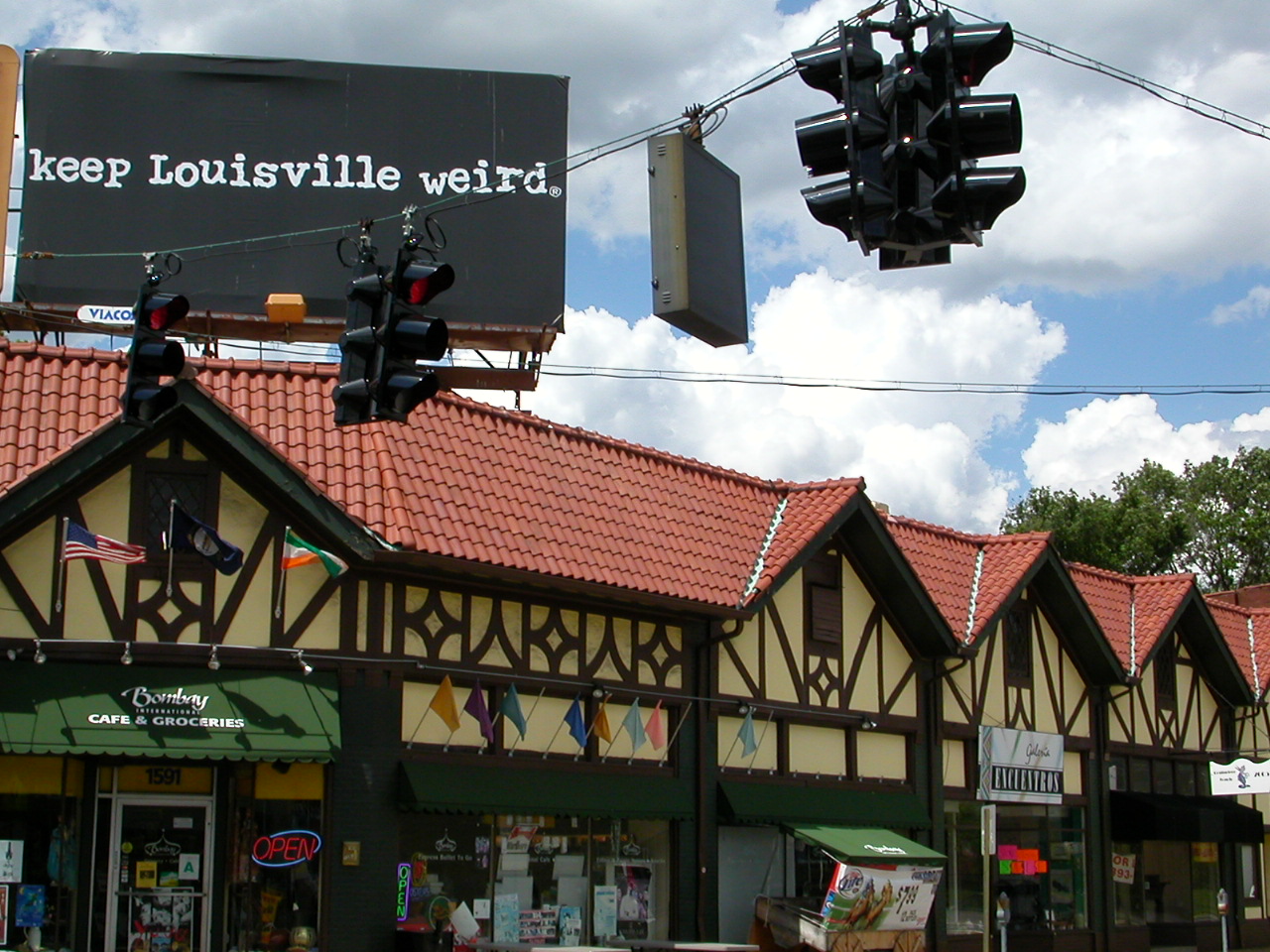
Start with the slogan
Louisville does not whisper about its personality. In the Highlands, Tudor-style storefronts sit under a billboard that says keep Louisville weird, and the sentence works almost like a mural statement: it is painted large, it is aimed at everyone on the sidewalk, and nobody has ever needed it explained.
That is a good way into Louisville murals. The city has a habit of putting its attitude on the outside of buildings. Before you find a single painted wall, you have already been told what kind of place this is, and that it would like you to enjoy yourself.

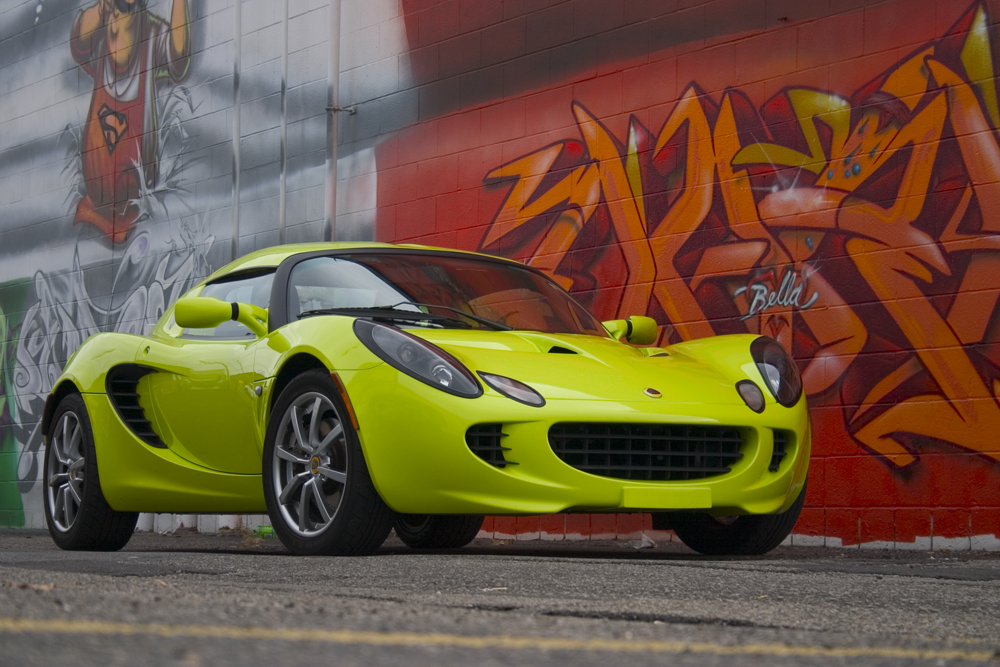
Brick that talks back
Some of the best Louisville street art is not on a monument at all. It is on the side of a building where a bright car pulls up and a brick wall behind it is crowded with lettering in every color the painter could find. The lime green car and the wall seem to be arguing about which one is louder, and the wall is winning.
Walls like this are rarely planned for the long term. They ask a simple question of anyone passing: what would you put here? Some answers are better than others, and the street sorts it out over time.

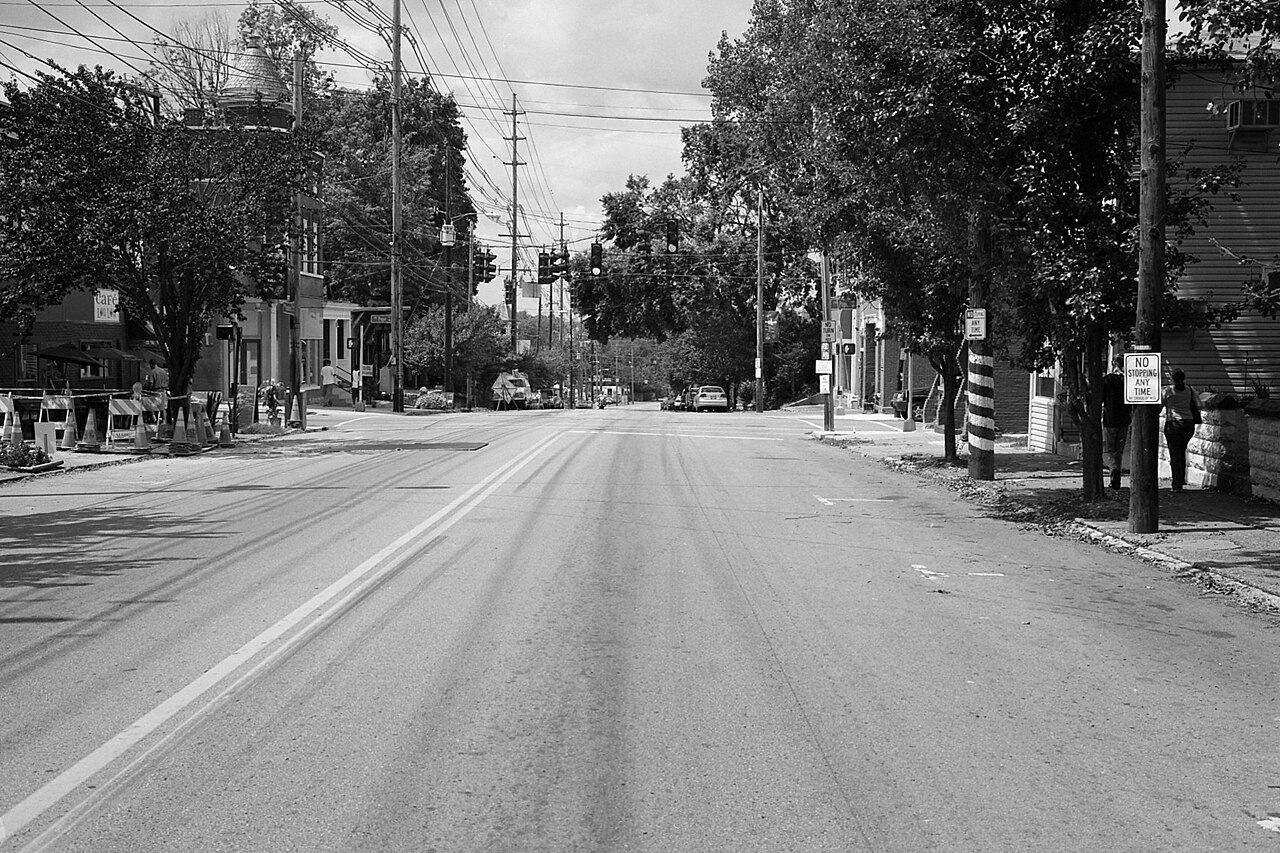
Frankfort Avenue at walking speed
Frankfort Avenue is a street best taken slowly. Trees line it, shops come one after another, and the traffic lights give you a reason to look up from your phone. Streets like this are where a neighborhood paints itself: a window sign here, a gable or a side wall there.
If you are the kind of visitor who likes to find art by wandering, this is a fair place to practice. The wall you want is rarely on the main drag. It is usually down the side lane, behind the corner shop, where someone had a plan and a ladder.

Under the tracks on South Third
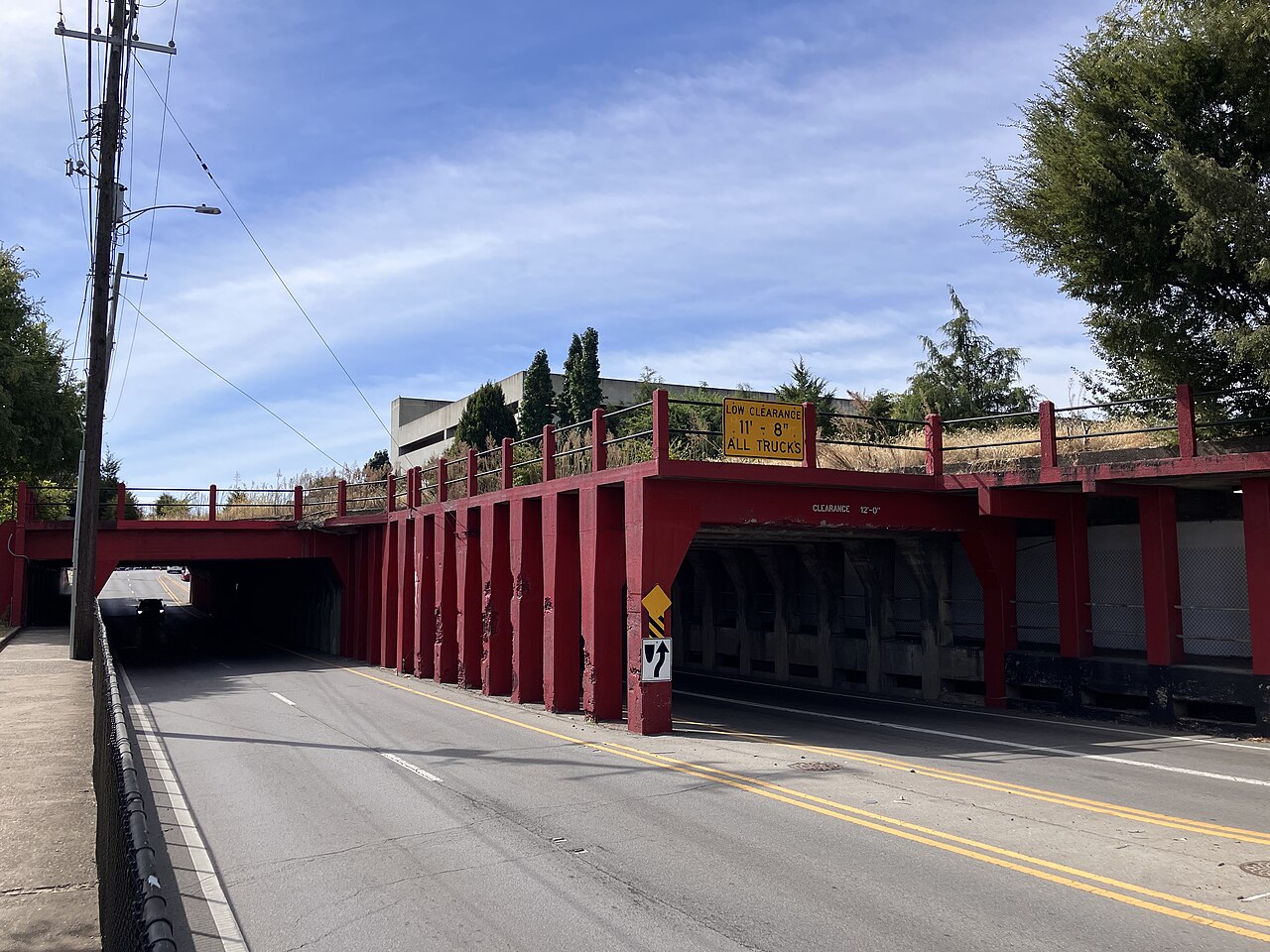
A railroad underpass is a gift to anyone who thinks about walls. On South Third Street, the street dips beneath the tracks and the bridge is painted a strong red, a single clean color against the city around it. It is not a mural in the usual sense, but it shows how much a single decision about paint can change what a piece of infrastructure feels like.
Cities everywhere learn the same thing: a tunnel that feels like a place to hurry through can become a landmark with the right color on it. Louisville has plenty of structures like this, and every one is a question waiting for an answer.

Painted work, painted rooms
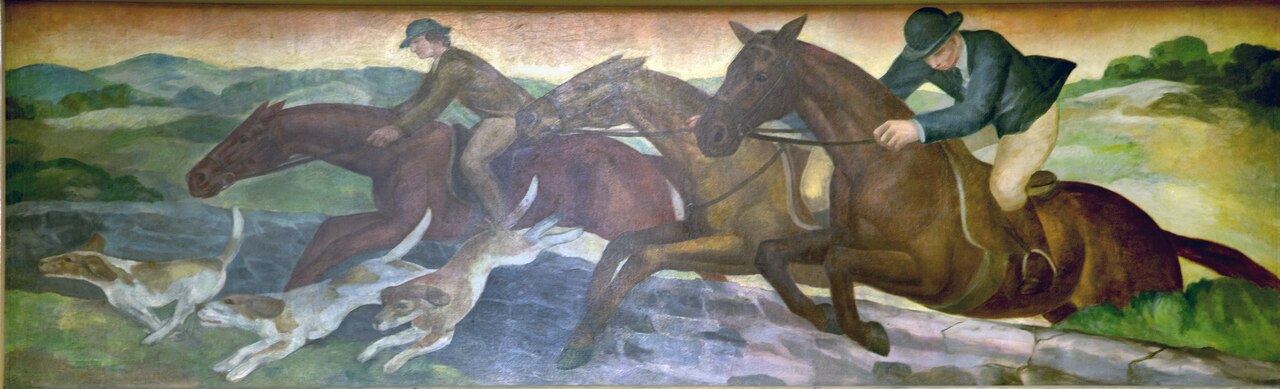
Not every Louisville mural faces the street. At the Gene Snyder courthouse, painted panels show scenes of fox hunting, with two riders on horseback chasing hounds across a stone wall, and coal mining, with miners wearing headlamps at work underground. The mining panel is long and low, almost a ribbon, and it makes you slow down to follow it from one end to the other.
These are murals as storytelling: a place deciding which parts of its past deserve to be shown in public rooms. The subjects could hardly be more different, one about leisure and horses, the other about labor in the dark, and hanging side by side they say a good deal about the state around the city.

The art of the very large object
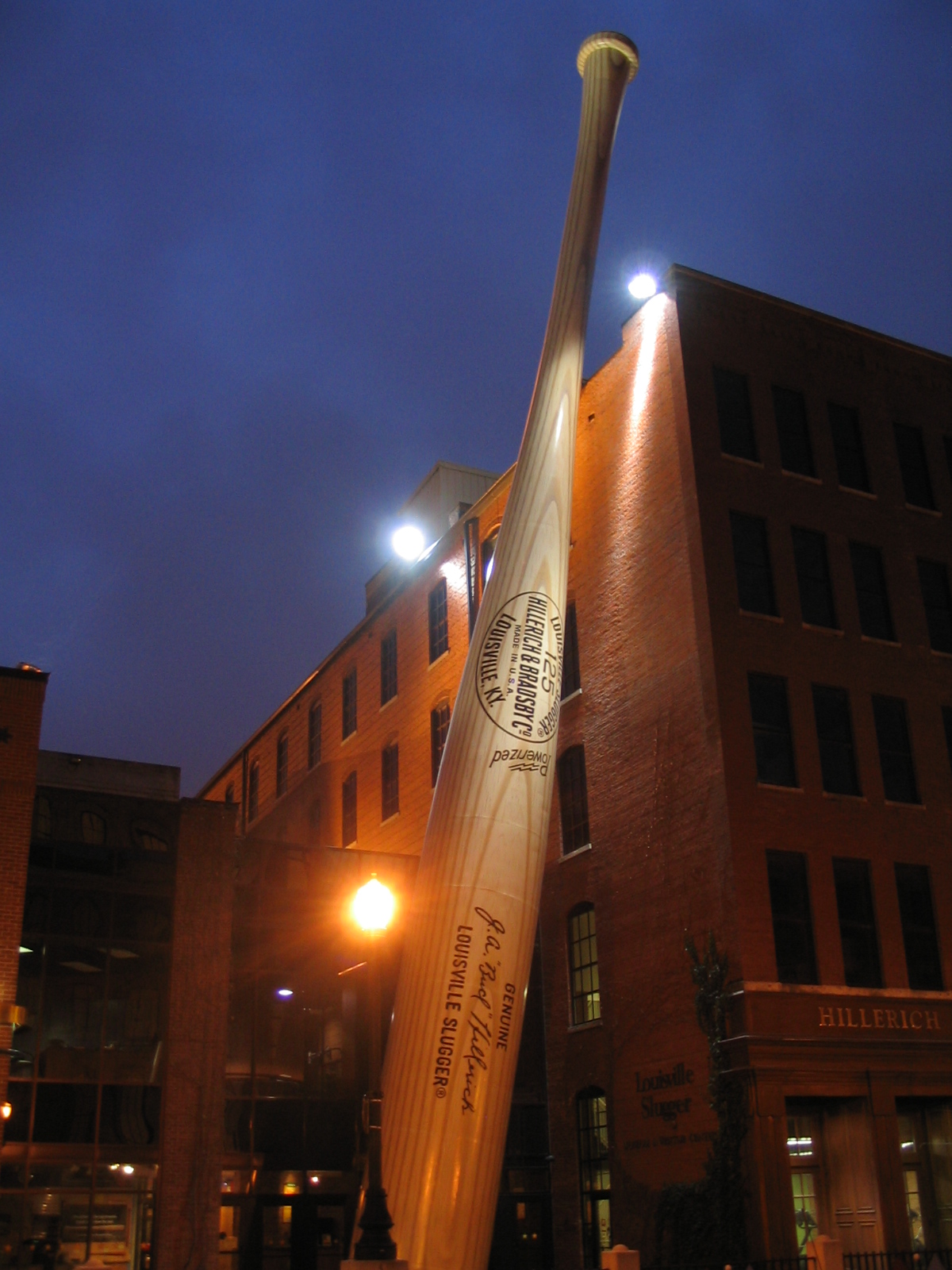
On Museum Row, a baseball bat leans against the brick wall of the Louisville Slugger Museum and it is simply enormous. It is not a mural, but it plays by mural rules: it is scaled for people walking past, it is photographed constantly, and it turns a plain building into a place people can give directions to.
There is a lesson in that for anyone with a building. Scale gets attention, and a clear image earns it. The bat tells you what is inside before you read a word.

Down by the water
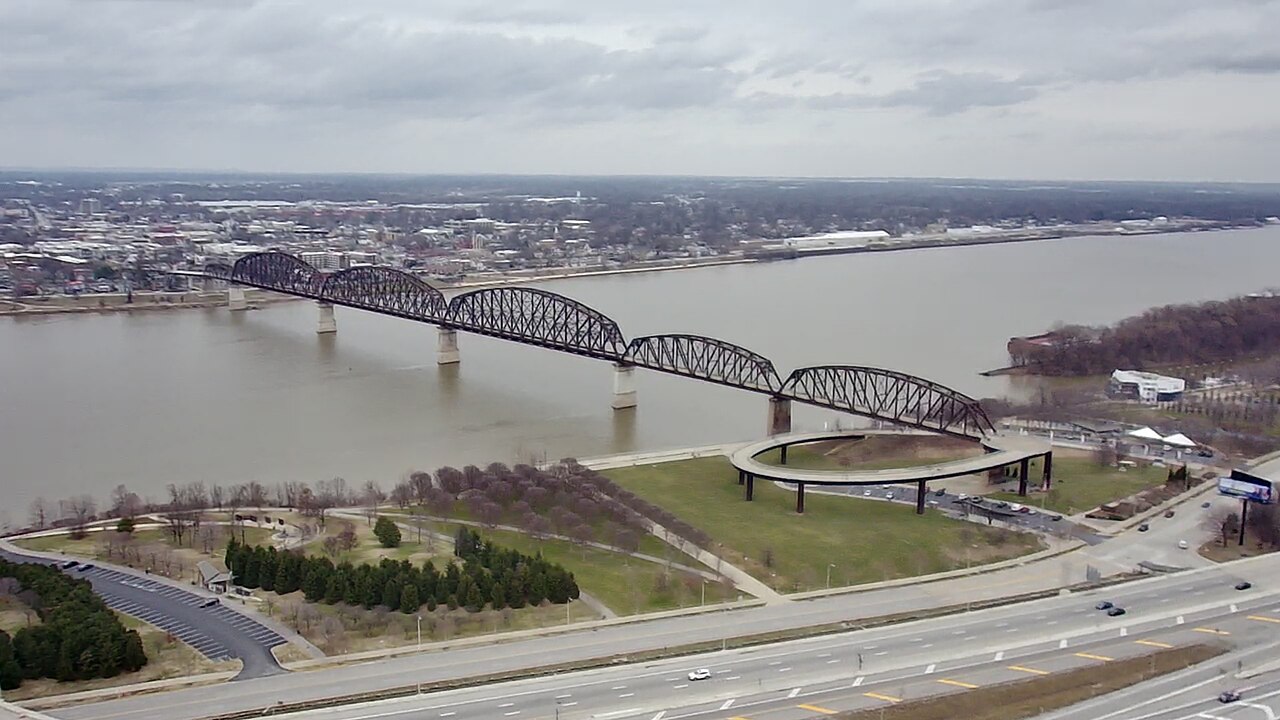
From Waterfront Park, the Big Four Bridge crosses the Ohio River toward Jeffersonville, Indiana, and from above it looks like a drawn line between two shores. People walk it, and the bridge itself is part of why the waterfront feels like a place worth lingering.
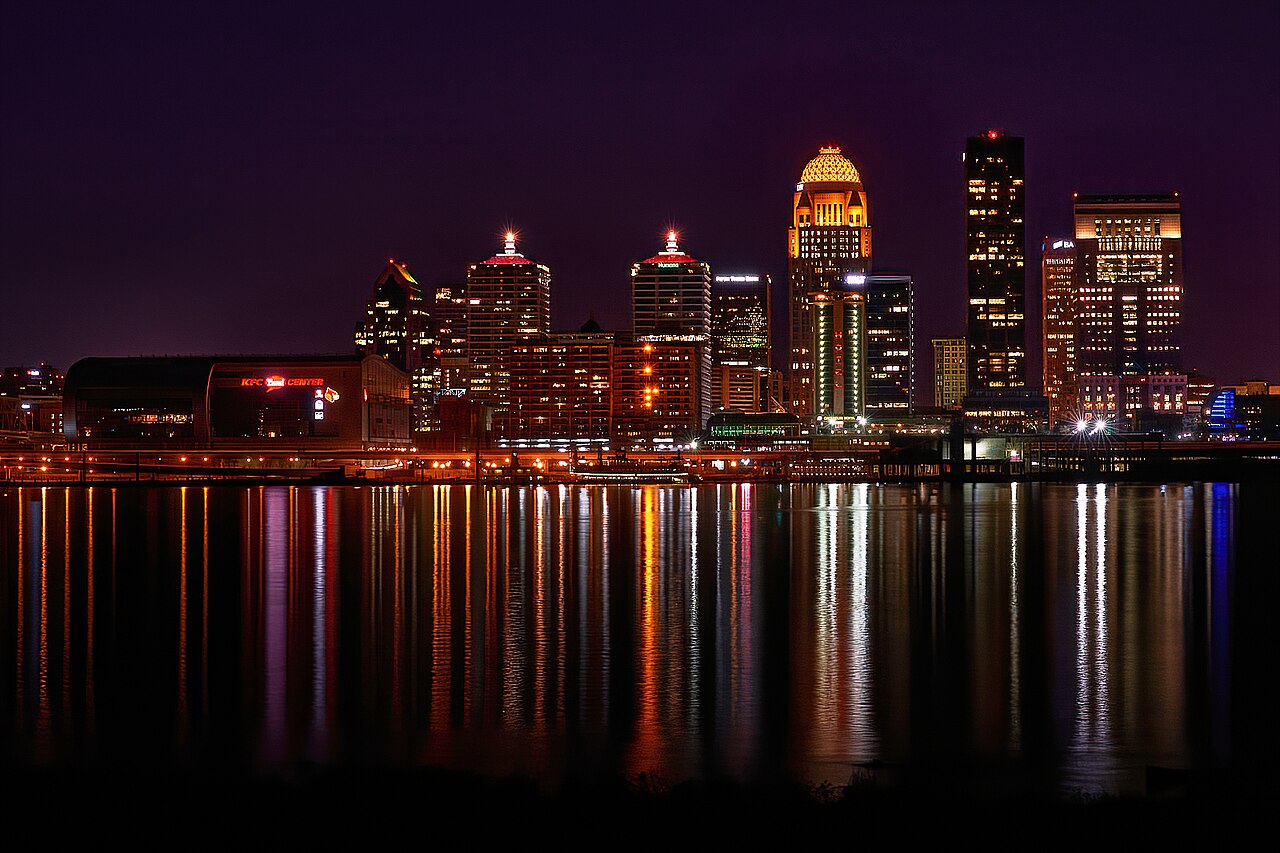
At night the downtown skyline lights up and the river repeats it, the arena and the towers doubled in the water. It is a reminder that the city around the walls has its own light, and that any mural you paint here is competing with the view.


Where the city dresses up
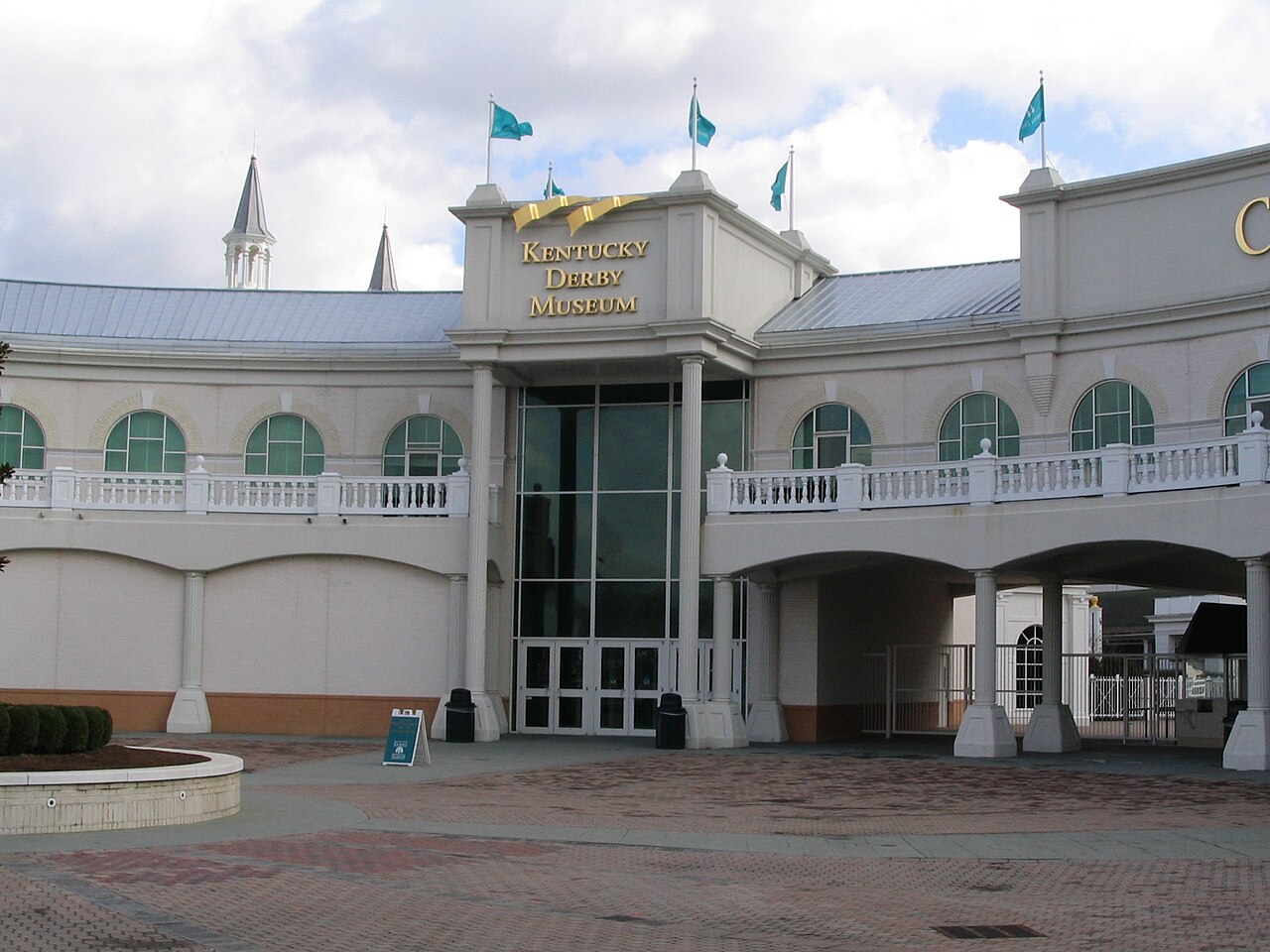
Churchill Downs is home to the Kentucky Derby, and the Derby Museum entrance, with its flags and twin spires, is as close as Louisville gets to a trademark. The spires are the image the whole world knows, and locals know them as part of the skyline of a neighborhood.
It is worth ending here because it shows the other side of Louisville murals and public art. A city can be weird on Frankfort Avenue and formal at the racetrack, and the two do not cancel each other out. Both are painted, in their own way, with pride.

If you have a wall in mind
Louisville already knows how to put its personality on a building. If you manage a property here with a wall you keep looking at, we would be glad to hear about it. You can also see how we work in Louisville, or tell us about your wall and we will take it from there.
Frequently asked questions
- Where can I see murals in Louisville?
- Good places to start are the Highlands, Frankfort Avenue, the South Third Street underpass and downtown, including the painted panels at the Gene Snyder courthouse. Wander the side streets, since the best walls are often off the main road.
- Which Louisville neighborhoods have the most street art?
- The Highlands and Frankfort Avenue are popular for wandering and looking, and downtown has painted work of different kinds. Street art changes quickly, so check recent photos before you plan a trip around one wall.
- Is street art legal in Louisville?
- It depends on the wall and the owner. A mural painted with the property owner’s permission is commissioned work; an unsanctioned piece is a different matter. If you own a wall and want a mural, get the agreement in writing.
- How do I find a muralist in Louisville for my building?
- Start with a muralist whose style suits the wall and the neighborhood, then talk through the size, surface and look. We help match walls with muralists and handle quotes, contracts and scheduling.
All photos are free-licensed and credited under each image; license links go to the original file pages.