City story · New Orleans · 6 min read
New Orleans Murals: Where the Walls Keep Time
New Orleans murals do not sit politely in galleries. They climb brick corners, fade in the humidity and get repainted. A walk through the street art that gives the city its voice.
Begin at the fence
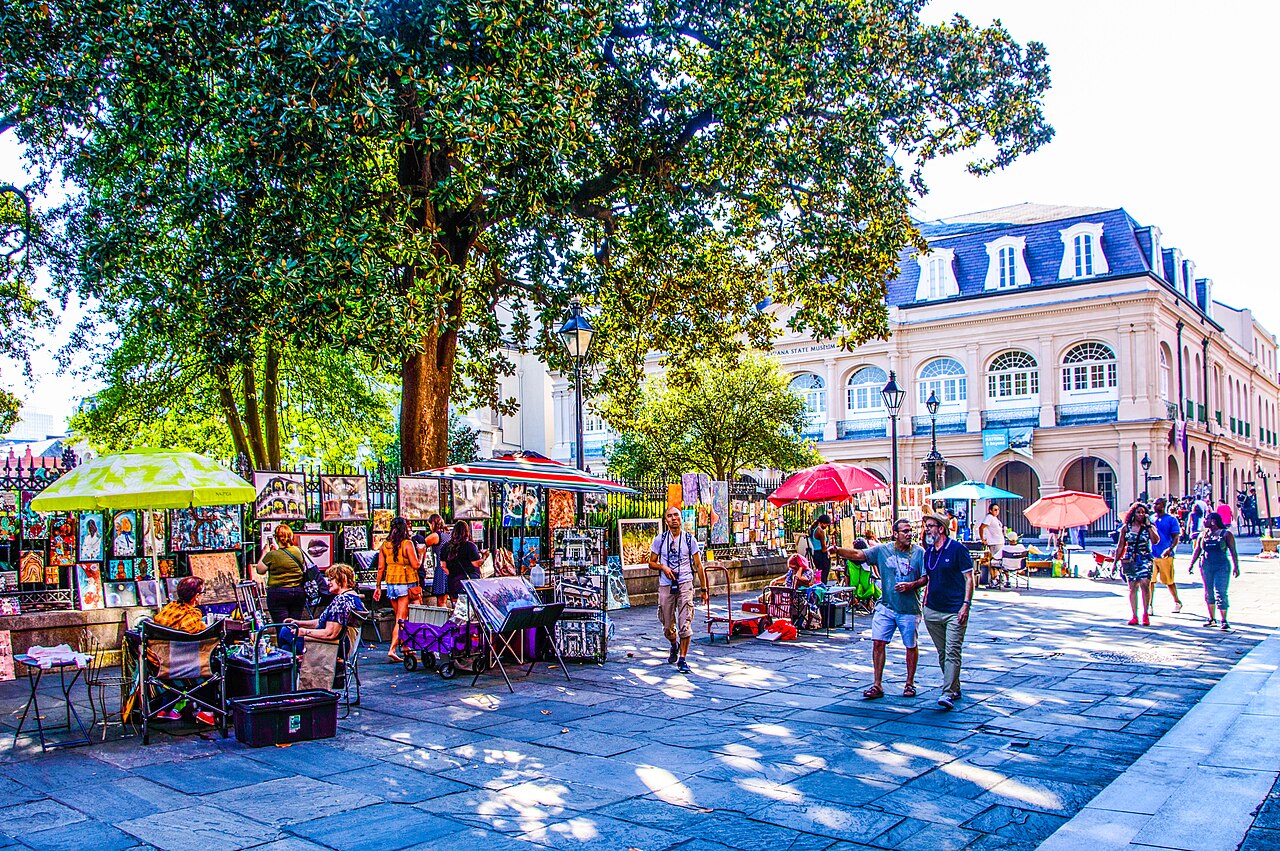
Most visitors meet New Orleans art before they meet a single mural. It happens at Jackson Square, where painters lean their canvases against the iron fence and the day's walkers drift past in the sun. Nobody is in a hurry. A stranger stops, tilts their head, and a conversation starts.
It is a good way to understand what follows. In this city, art is not kept at a distance. It is sold on the sidewalk, argued over on the corner and carried home under an arm. The New Orleans murals you will find later are the same impulse at a bigger scale.


What a wall remembers
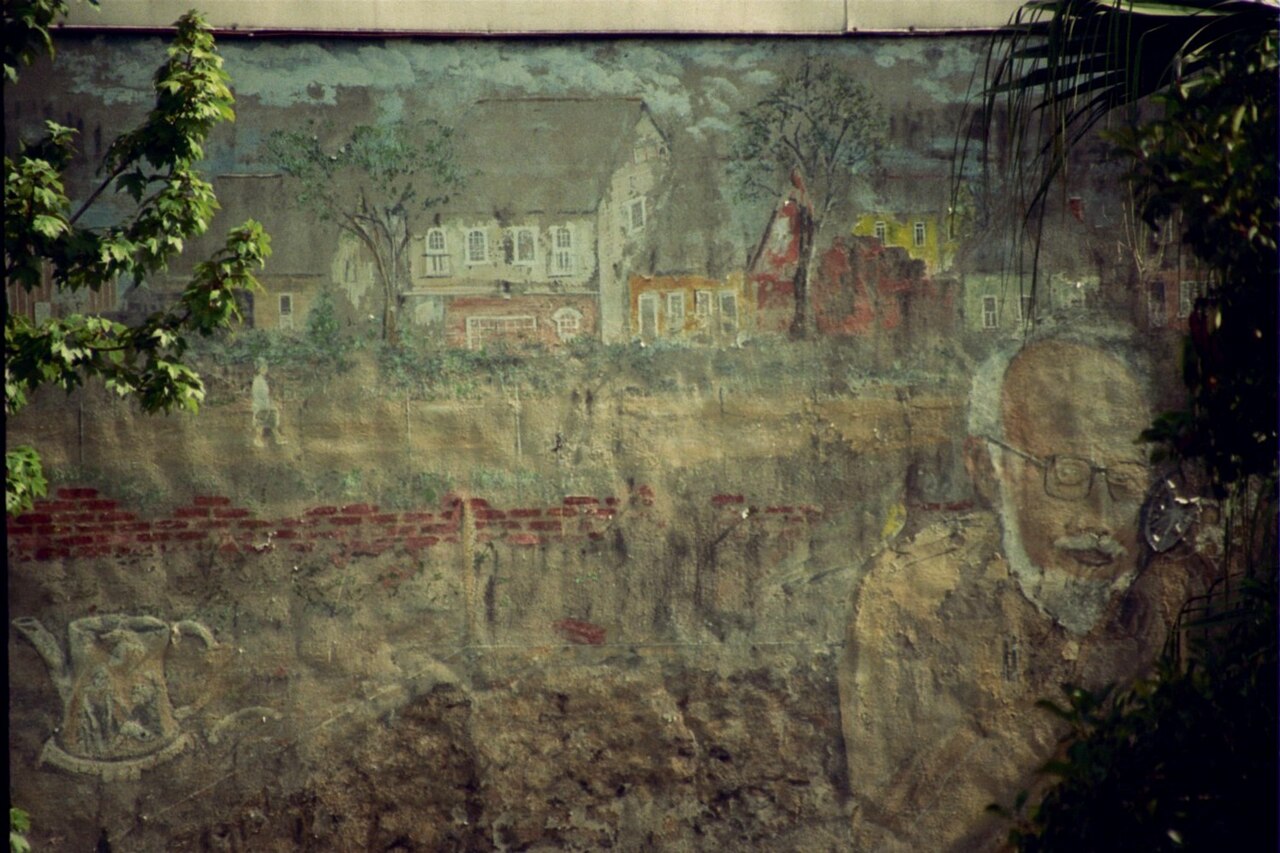
On Frenchmen Street, a mural once showed a row of old houses and a bearded man looking out over them. The paint has weathered badly, and the face is more suggestion than portrait now. You can still see what it was trying to do: put a person and a street together, so the street felt looked after.
Faded walls are part of the story too. Heat, rain and time are hard on paint in New Orleans, and a mural here lives a life, with a bright beginning and a long softening. Some people love the fade. Others see it as a sign that a wall is ready for its next chapter.

Down St. Claude
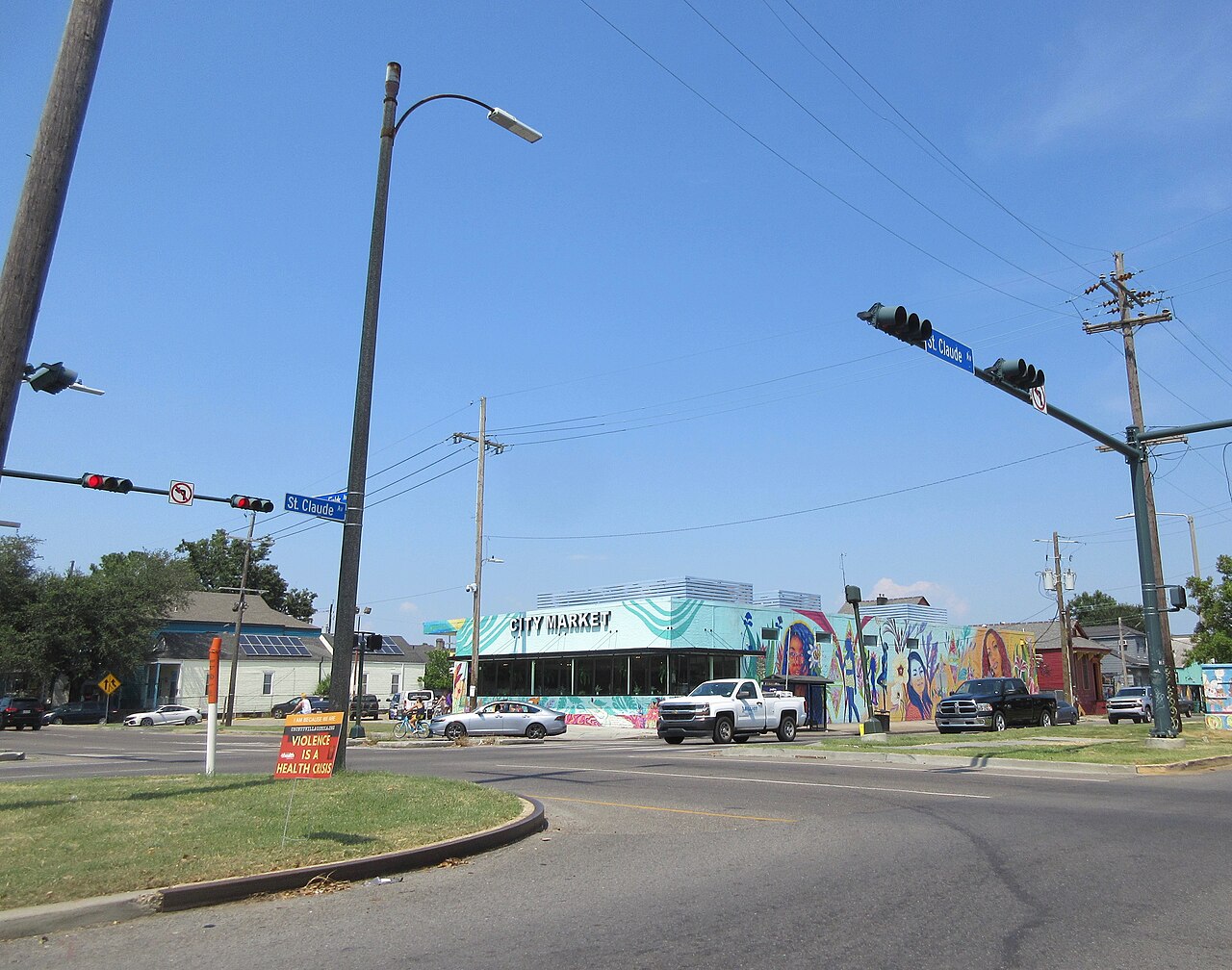
St. Claude Avenue is where the city's newer paint lives. It runs along the edge of the Faubourg Marigny, and the blocks feel less like a route and more like a long, unplanned exhibit. A corner market wears a colorful mural down its side wall, bright enough to read from across the intersection.
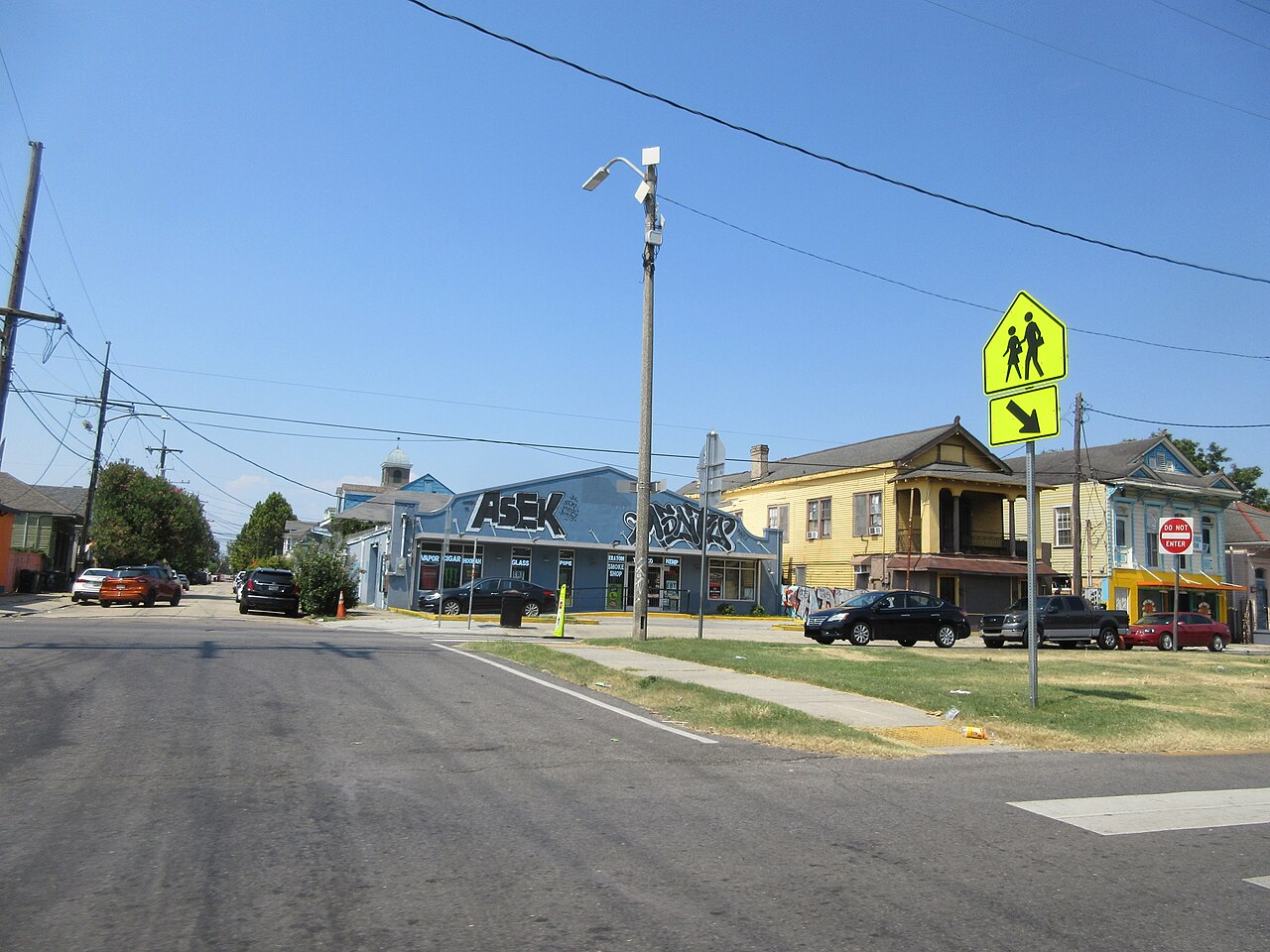
Half a block away, a blue corner building carries graffiti lettering across its walls, and colorful shotgun houses line up beside it. The two sit together without apology. That is the thing about New Orleans street art: the lettering, the painted scenes and the houses are all part of one conversation, held at street level and visible to anyone walking by.


Ninth Ward, in big letters
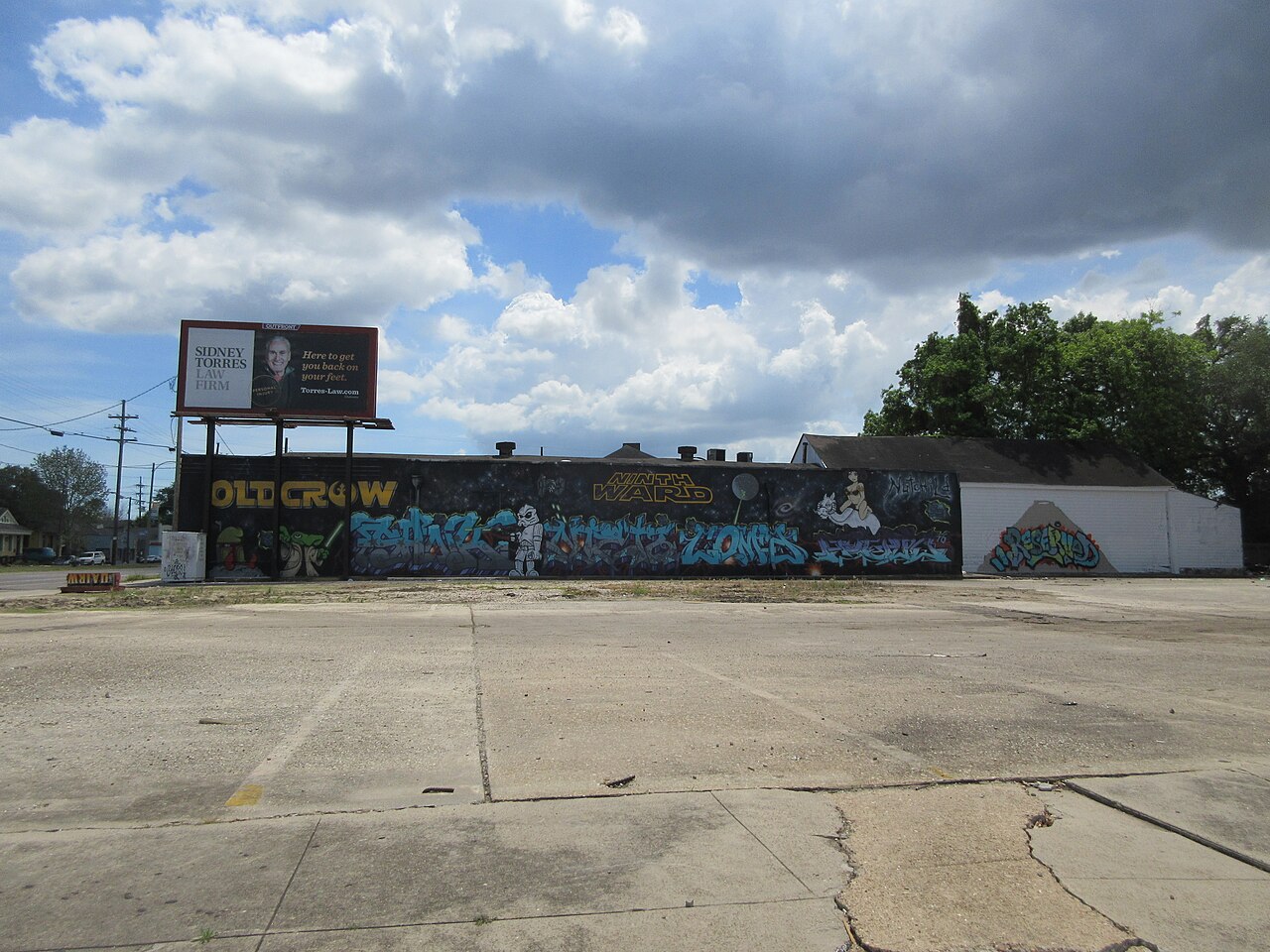
In Bywater, a long wall spells out the words Ninth Ward in graffiti, and behind it an empty lot sits under a cloudy sky. It is not a polished mural. It is a statement of place, painted large enough that no one passing can miss it.
New Orleans is a city that has had to rebuild, and walls like this carry that without explaining it. The name is a claim. This is where we are from, and we are still here. A wall can say that more plainly than most signs.

Blue and red at St. Roch
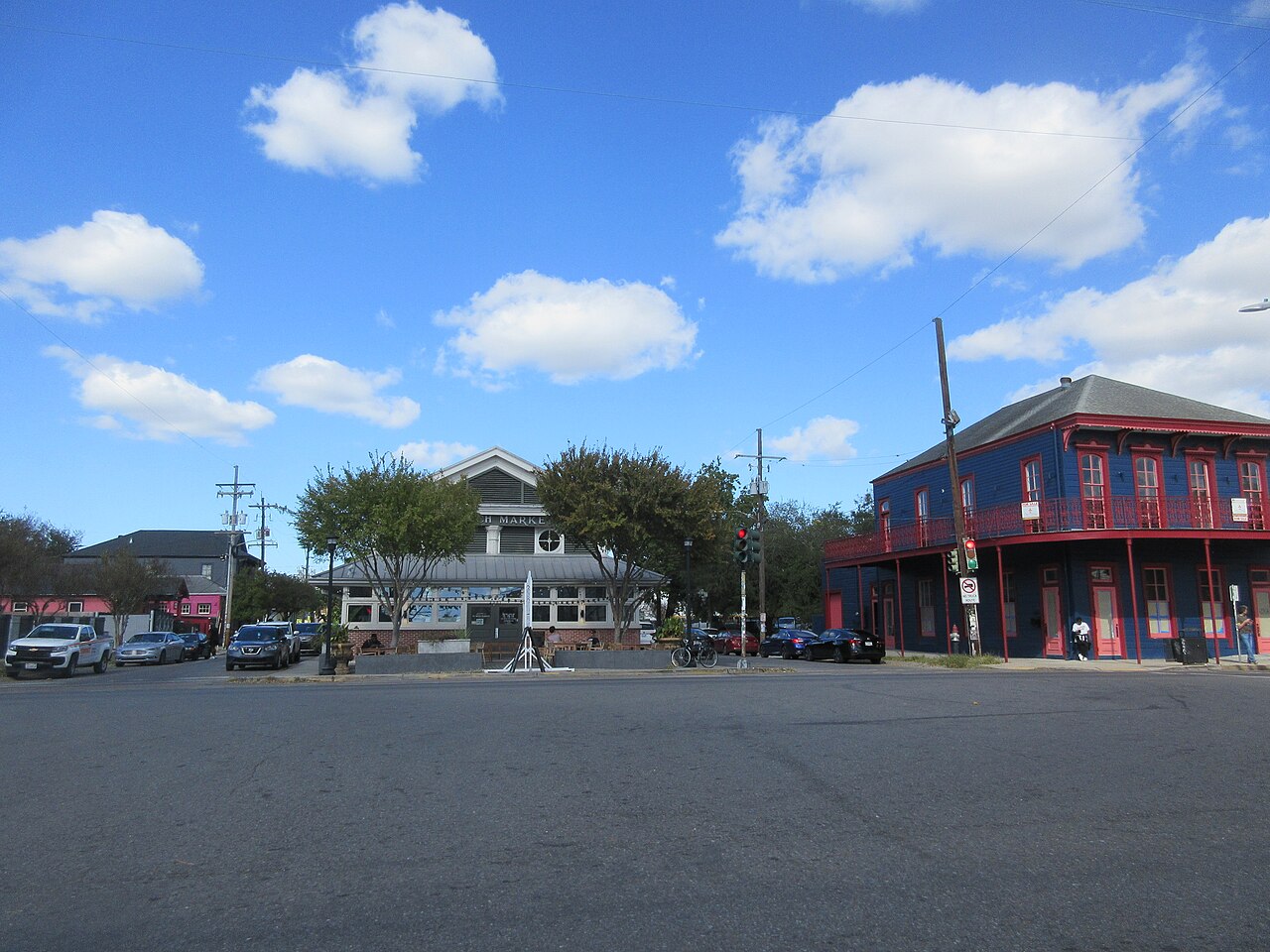
Not every story in a neighborhood is a mural, and St. Roch Market is a reminder of how much a building's own colors can do. At its intersection, a two-story blue and red building meets a clear sky, and the whole corner feels welcoming before you have even walked in.
Paint does that work quietly all over the city. A coat of strong color on a corner can be the difference between a place people pass and a place people stop. When a blank wall sits beside a corner like this one, it is easy to imagine what a mural could add.

Music on the outside of the building
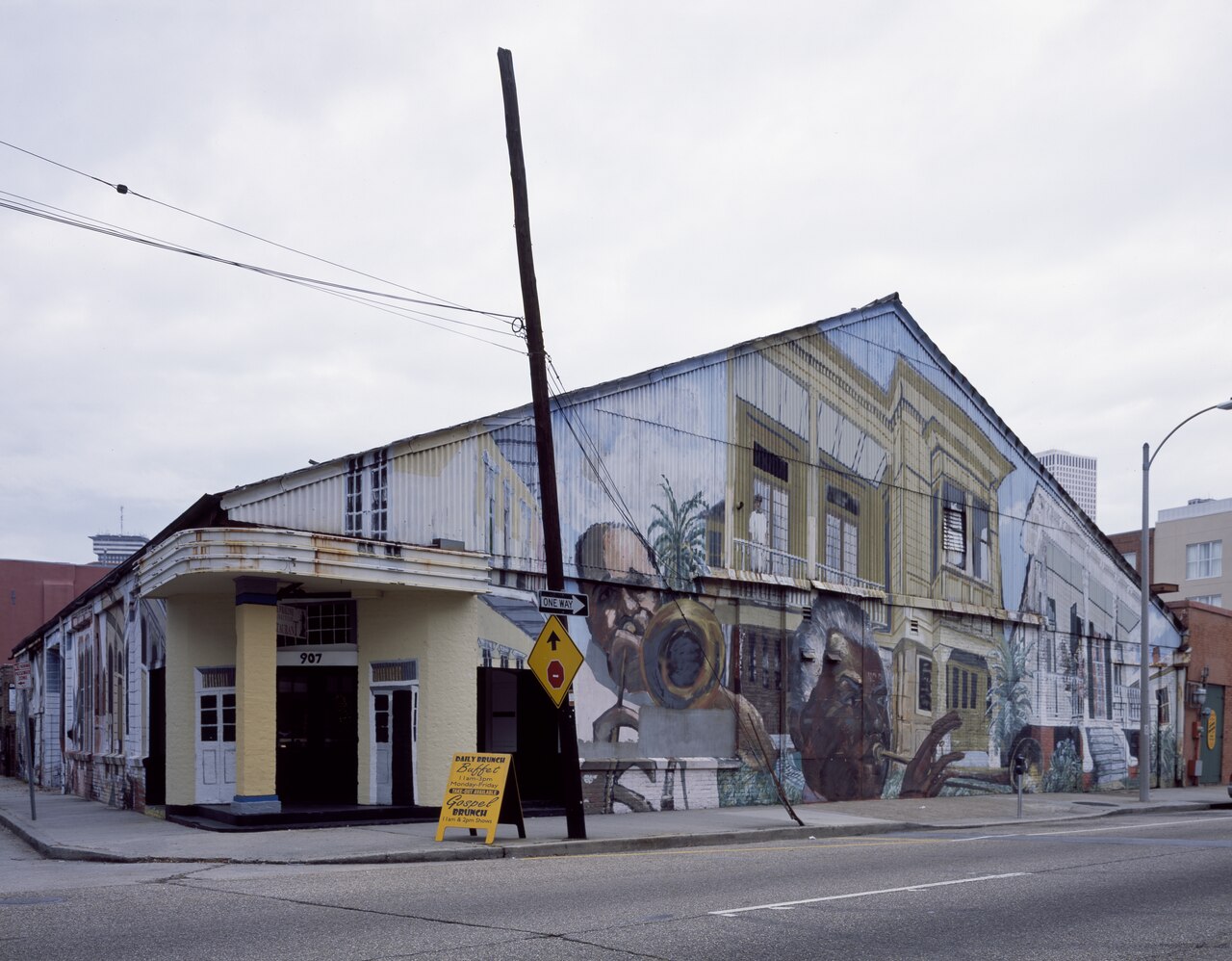
Head toward the Warehouse District and you find a corner cafe whose whole facade is a mural of musicians and New Orleans houses. The building is a jazz cafe, and the paint says so before the door does. It is hard to imagine a more honest sign.
This is the pairing New Orleans does best. Music is the city's best-known export, and the walls sing along. A mural on a music venue is advertising, yes, but it is also a small gift to everyone on the sidewalk, including people who never go inside.
Indoors, on the lobby wall
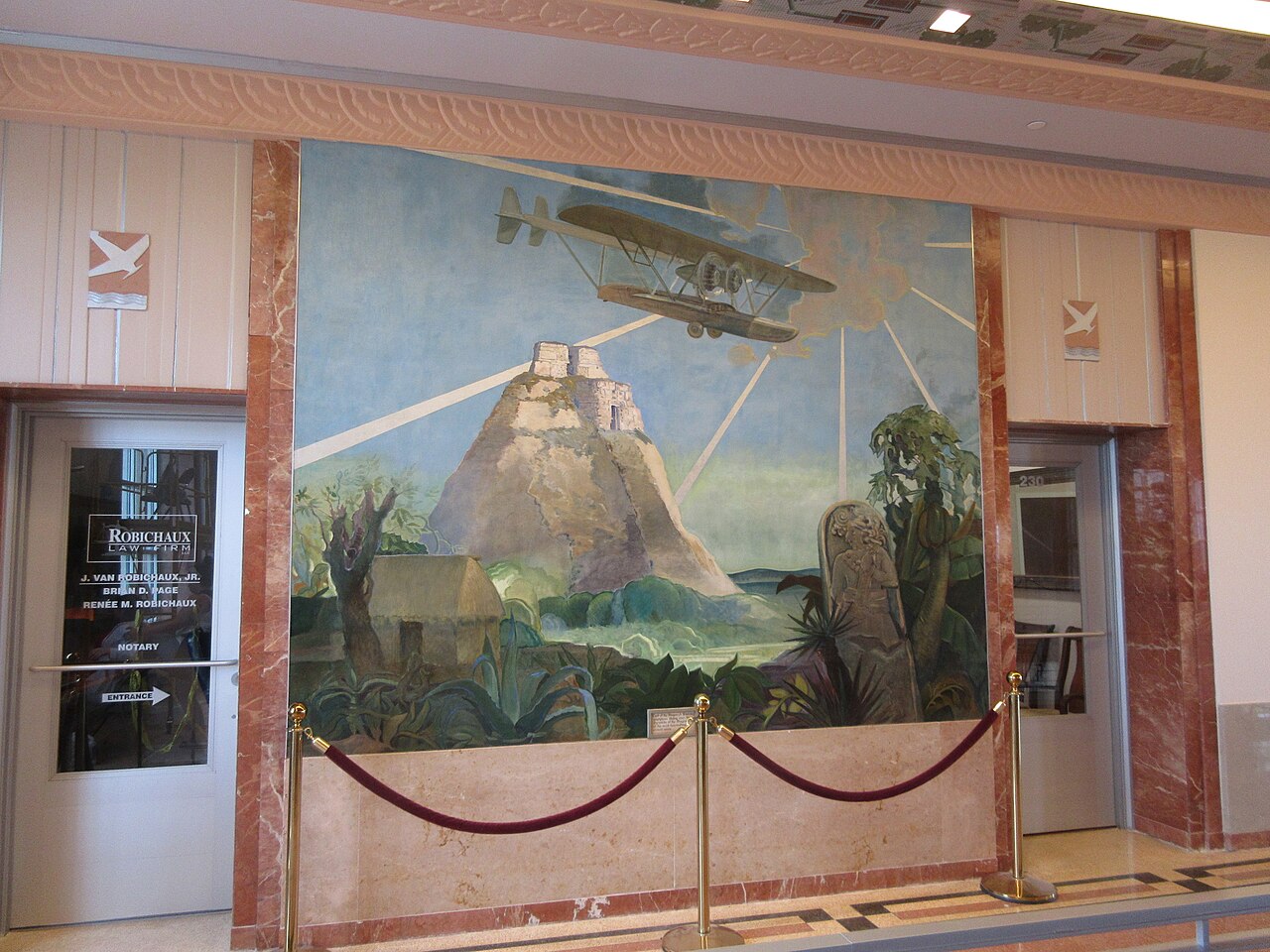
The city's murals are not all outdoors. In the main terminal at Lakefront Airport, a restored 1930s mural shows a biplane flying over a Mayan pyramid. It was made in an earlier era of public art, when walls in civic buildings were meant to tell big stories to everyone who came through.
It is worth the detour because it shows the long reach of the idea. Painted walls in New Orleans stretch from a lobby to a loading dock, from commissioned work to the lettering of a neighborhood, and every one is some kind of answer to the question of what a place wants to say about itself.

Walk out toward the skyline
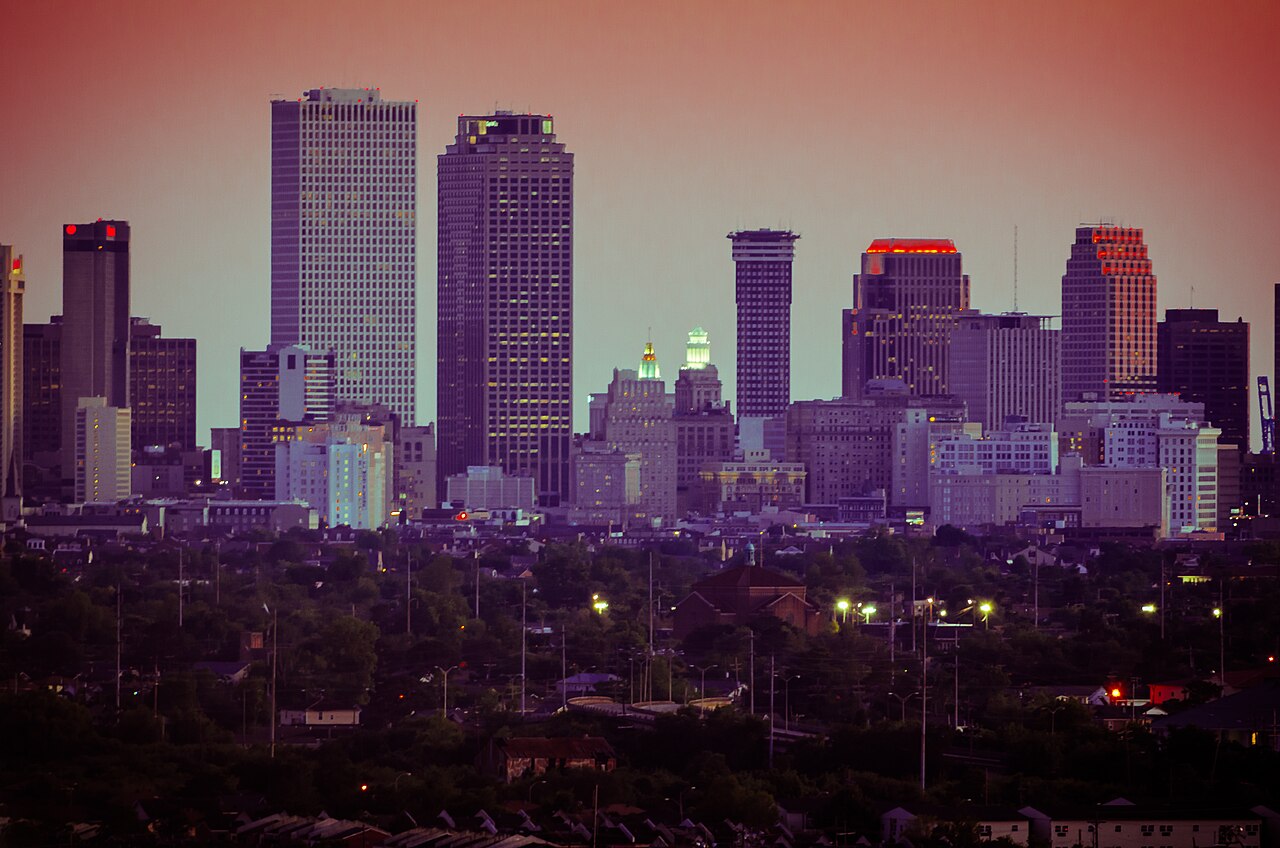
End by stepping back. From the bridge, the downtown skyline glows at dusk above tree-covered neighborhoods, and the walls you have seen all day sit down there in the green, in the places where people live, work and play music.
That is what New Orleans murals do best. They do not turn a big city into a museum. They make the streets feel like somebody's, one corner at a time. If you want to see more of what is possible, our New Orleans page is a good place to start.

If you have a wall in mind
Every wall in this story began as somebody's plain surface and a decision to give it a voice. If you manage a building in New Orleans, or anywhere, and have a wall you keep looking at, we would be glad to hear about it. Tell us about your wall and we will take it from there.
Frequently asked questions
- Where can I see murals in New Orleans?
- Good places to start are St. Claude Avenue and the Marigny, Bywater, Frenchmen Street, the Warehouse District and the fence around Jackson Square in the French Quarter. Much of it can be seen on foot, and the art changes as walls are repainted.
- Which New Orleans neighborhoods have the most street art?
- St. Claude Avenue, the Faubourg Marigny and Bywater are known for painted walls and lettering, and Frenchmen Street and the Warehouse District add music-themed murals. It is worth wandering side streets, since much of the art sits just off the main routes.
- Is street art legal in New Orleans?
- It depends on the wall and the owner. A mural painted with a property owner's permission is commissioned work; unsanctioned paint is a different matter. If you own a wall and want a mural, talk with a muralist and put the agreement in writing.
- How do I find a muralist in New Orleans for my building?
- Look for a muralist whose style fits the wall and the neighborhood, then talk through the size, the surface and the look you want. We help match walls with muralists and handle quotes, contracts and scheduling.
All photos are free-licensed and credited under each image; license links go to the original file pages.