City story · São Paulo · 6 min read
São Paulo Murals: A Big City Written on Its Walls
From a night view over the rooftops to a hillside lane in Vila Madalena, a slow walk through the São Paulo murals and street art that give a very large city its human scale.
Begin above the lights
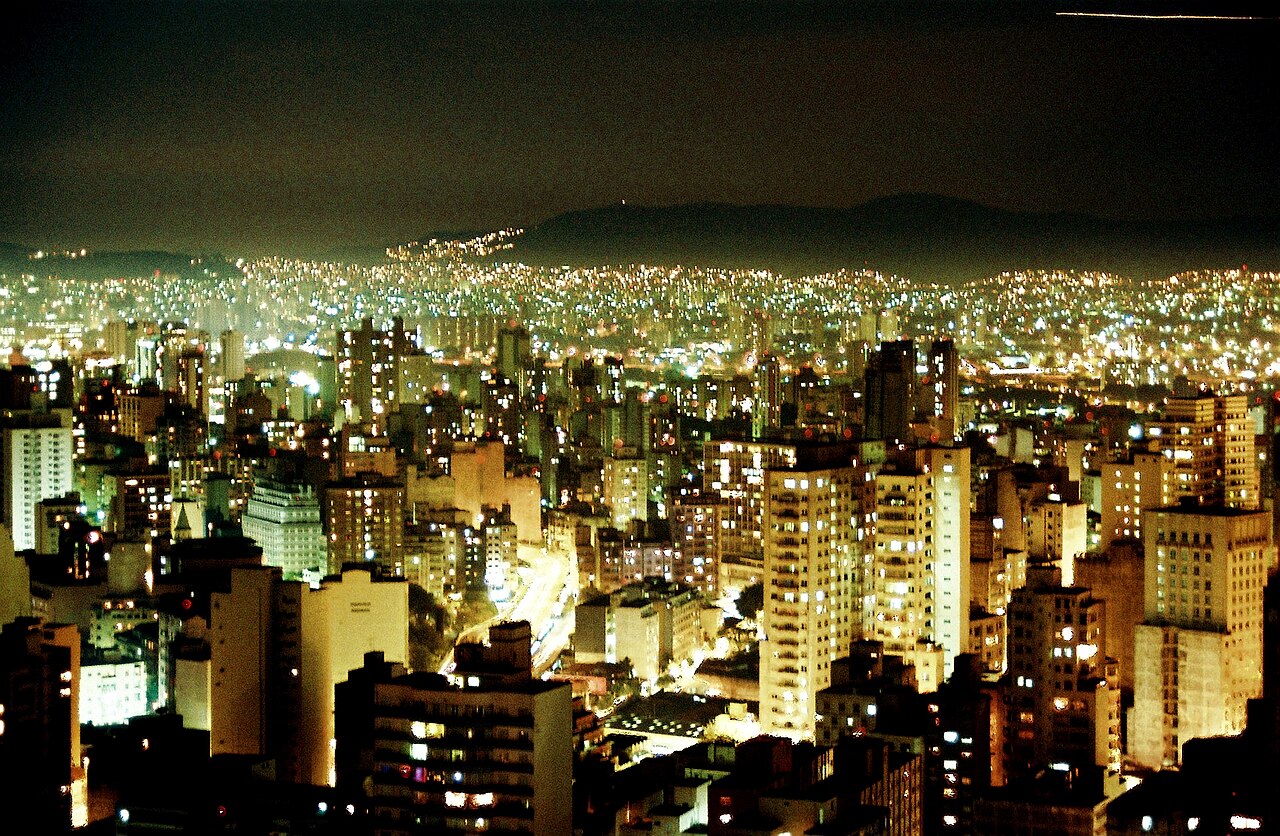
São Paulo is hard to understand from the street. It is a city of towers that seem to keep going until the hills stop them, and the first honest thing to do is look at all of it at once. At night, from high in the old center, the streets show up as lines of light between dense blocks, and you can feel how many people share the view.
Then you go down. The reason São Paulo murals matter is that they work at the opposite scale. In a city this big, a painted wall is one of the few things that talks to a single person walking by.

A building shaped like a wave
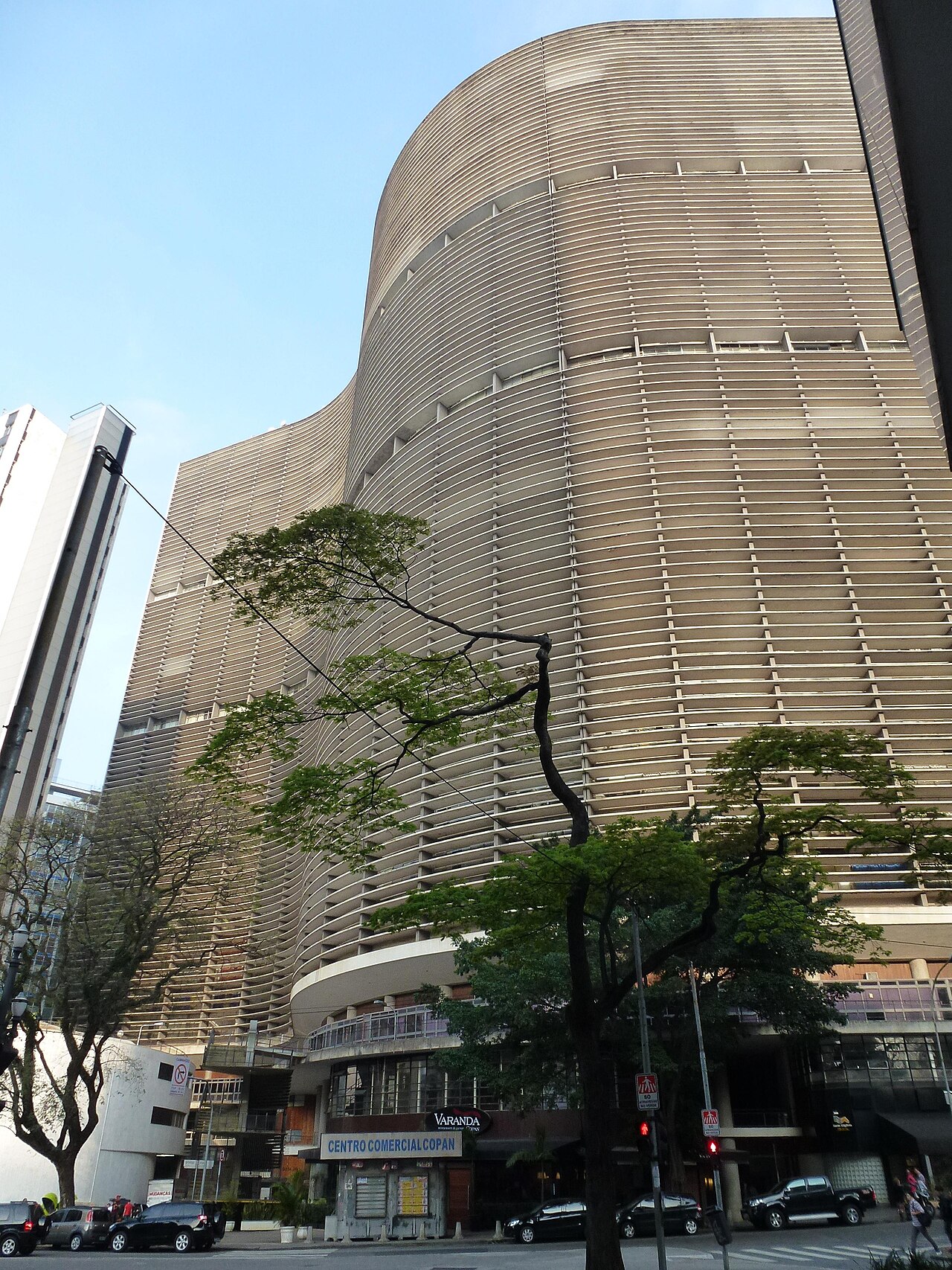
The Copan apartment tower is one of the easiest buildings in the center to recognize. Its facade curves in long, wavelike bands above the street corner, and it is a good reminder that São Paulo has always liked bold surfaces. The architect, Oscar Niemeyer, is among Brazil's best-known names.
A building like this sets the mood for what comes next. In a place where concrete can curve and shine, it makes sense that the walls around it would get an equal amount of imagination.

Down the lane in Vila Madalena
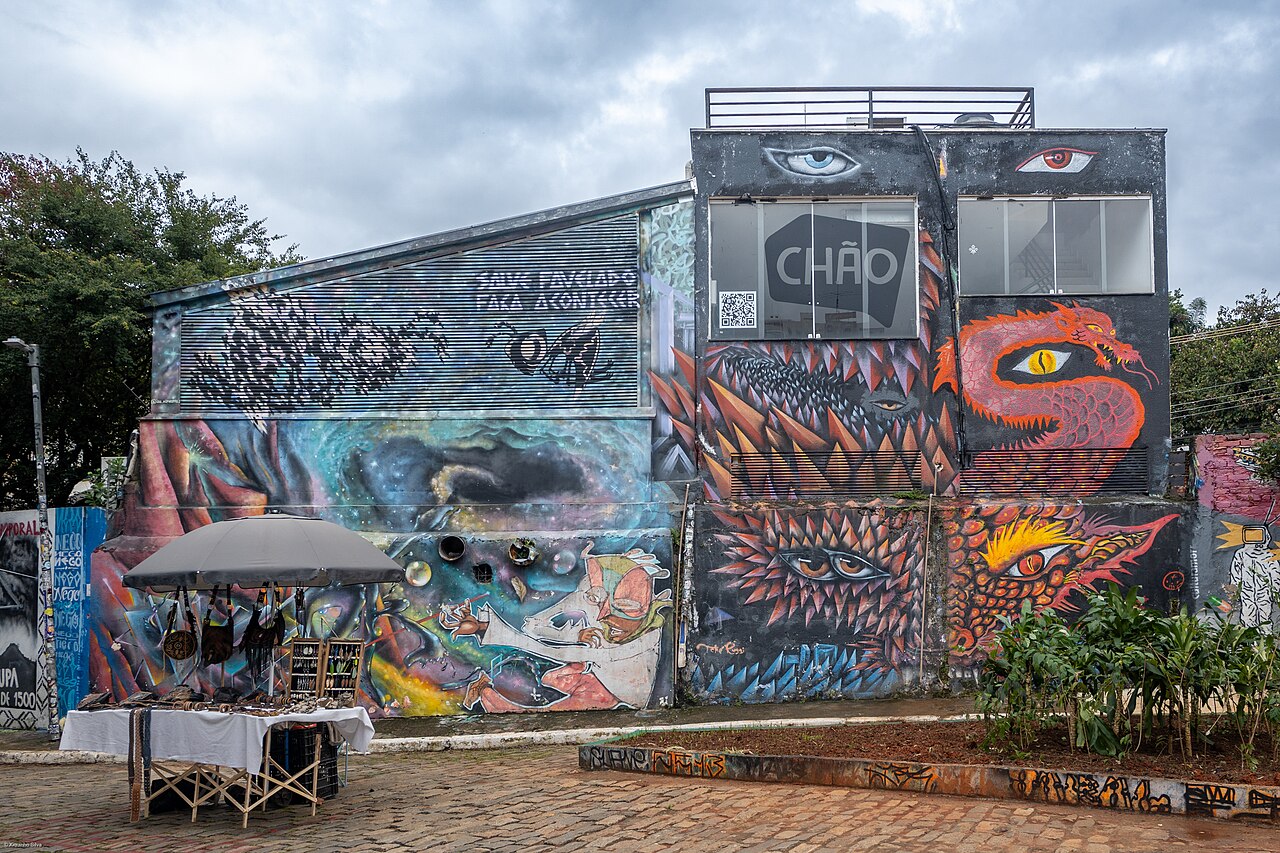
Vila Madalena is where most visitors first meet São Paulo street art, and the heart of it is Beco do Batman, a narrow lane where nearly every wall is painted. Eyes, dragons, planets and cartoon faces crowd each other without apology. A craft stall sits at the corner, and the paint seems to keep going right up to its edge.
What stands out is how the lane behaves like a shared room. Pieces overlap, sit side by side and change over time. You do not look at one wall so much as drift through all of them.
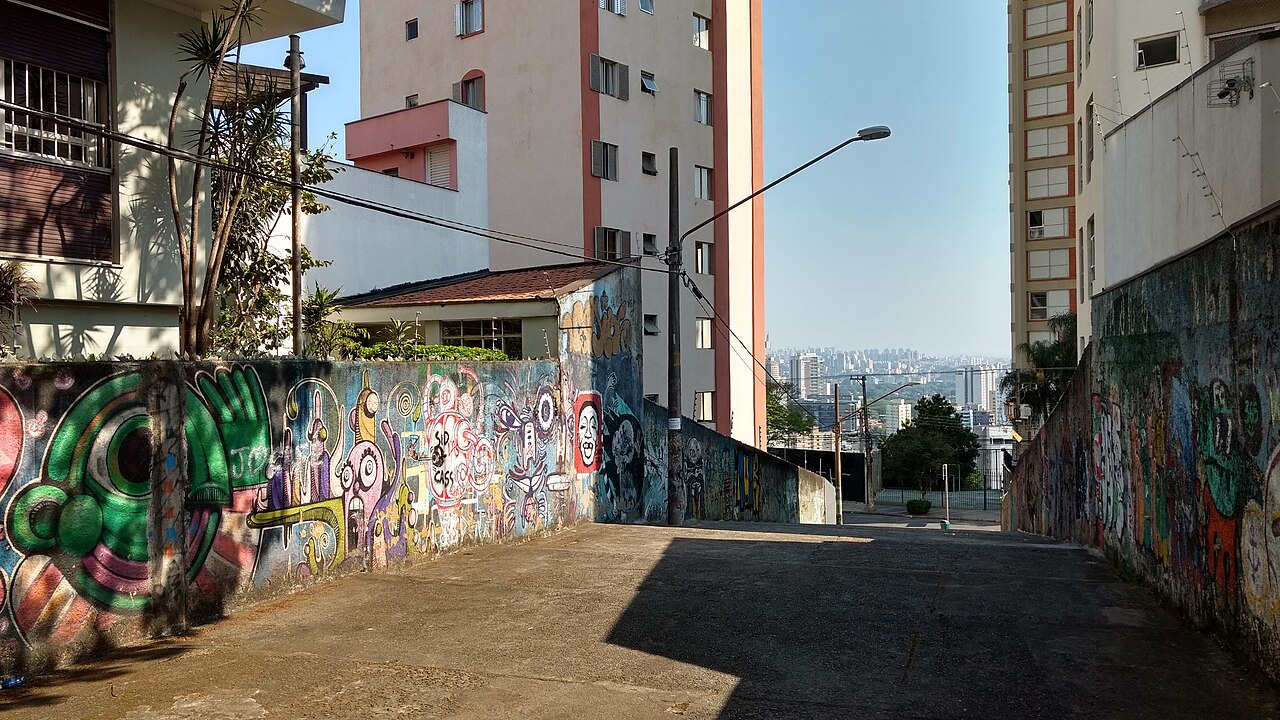
Nearby, a sloping street tells the same story at a bigger scale. Painted cartoon characters line both sides as the lane drops away, and apartment towers stand behind the roofs. The art and the everyday city are close neighbors here, which is the best thing about it.

A welcome at the corner
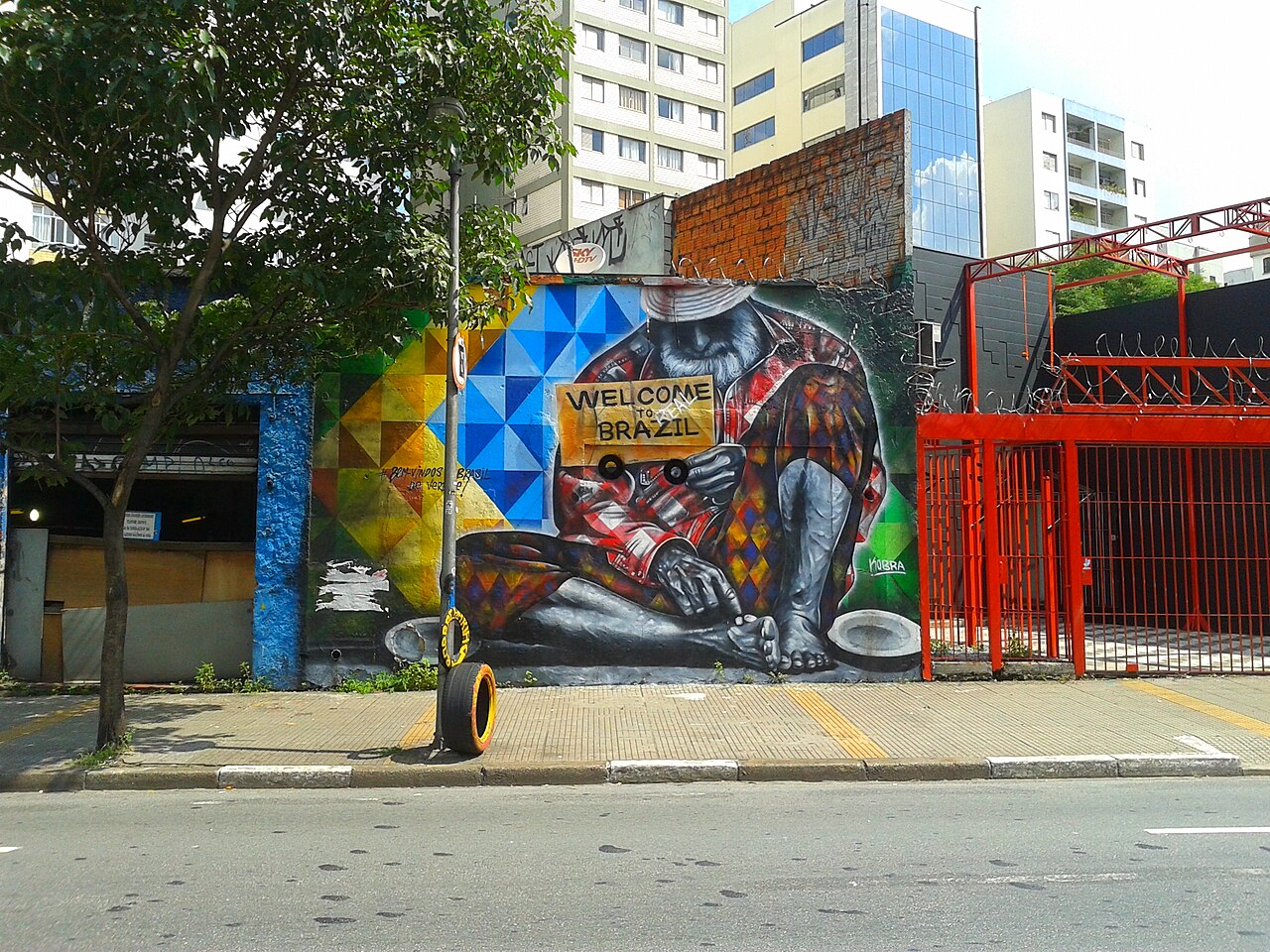
Back toward the center, on Rua da Consolação near Avenida Paulista, a street corner holds a mural of a seated bearded man with a Welcome to Brazil sign in his hands. The color comes in sharp geometric pieces, like a face cut from stained glass.
It is a simple idea, and it works for a reason: a corner is where people pause. A wall there gets seen by someone waiting for a light, by someone late for work, by someone new to town. A friendly message in big letters gives a neighborhood something to say.

Something darker, and just as welcome
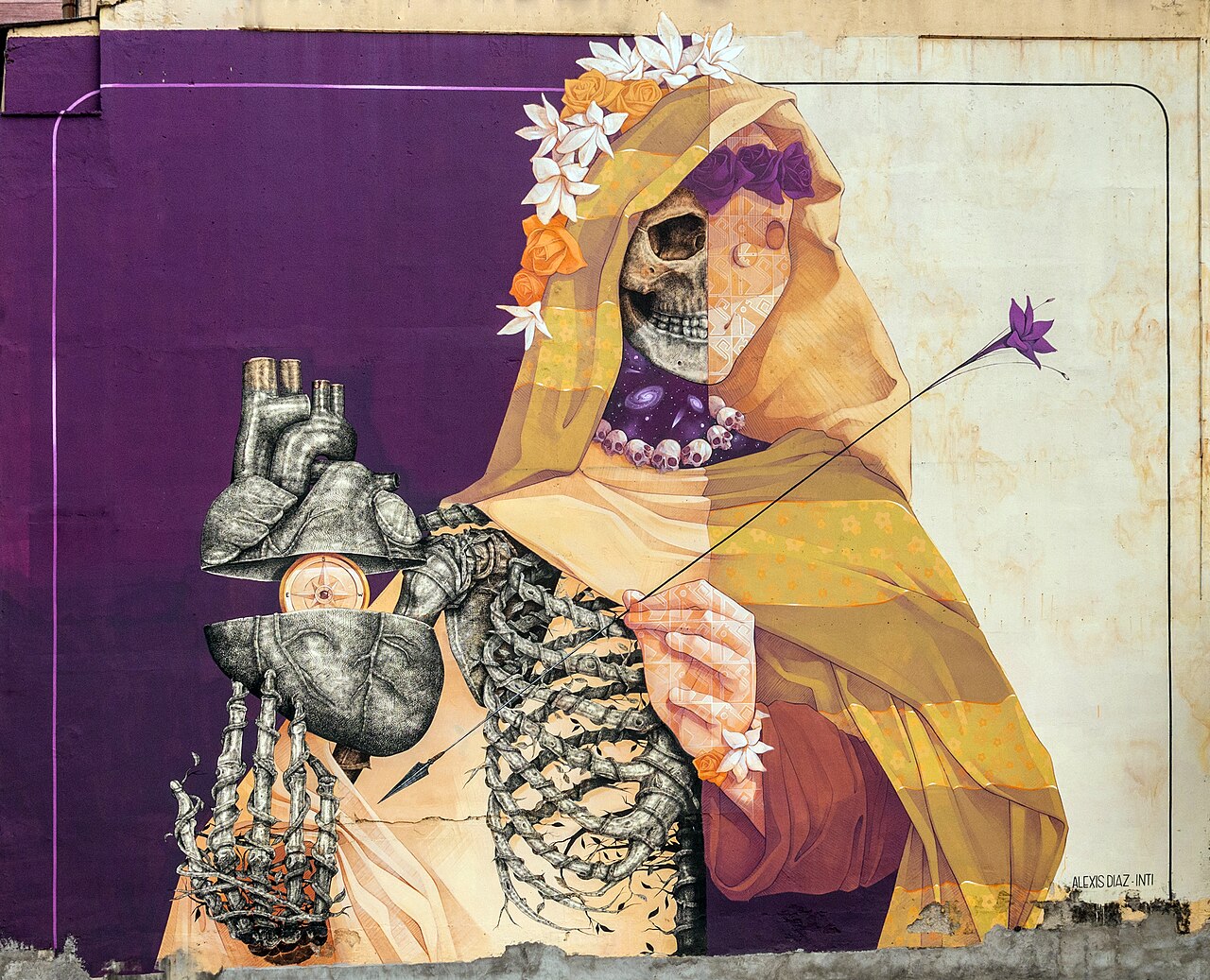
Not every São Paulo mural is cheerful, and the city is better for it. Downtown, one large wall shows a hooded skeletal figure holding an anatomical heart against purple and cream. It is serious, finely drawn and a little unsettling, and it holds its place on a busy street without any need to explain itself.
Walls like this remind you that murals are not only decoration. Some of them ask a question and leave you to answer it.

The tall wall on Paulista
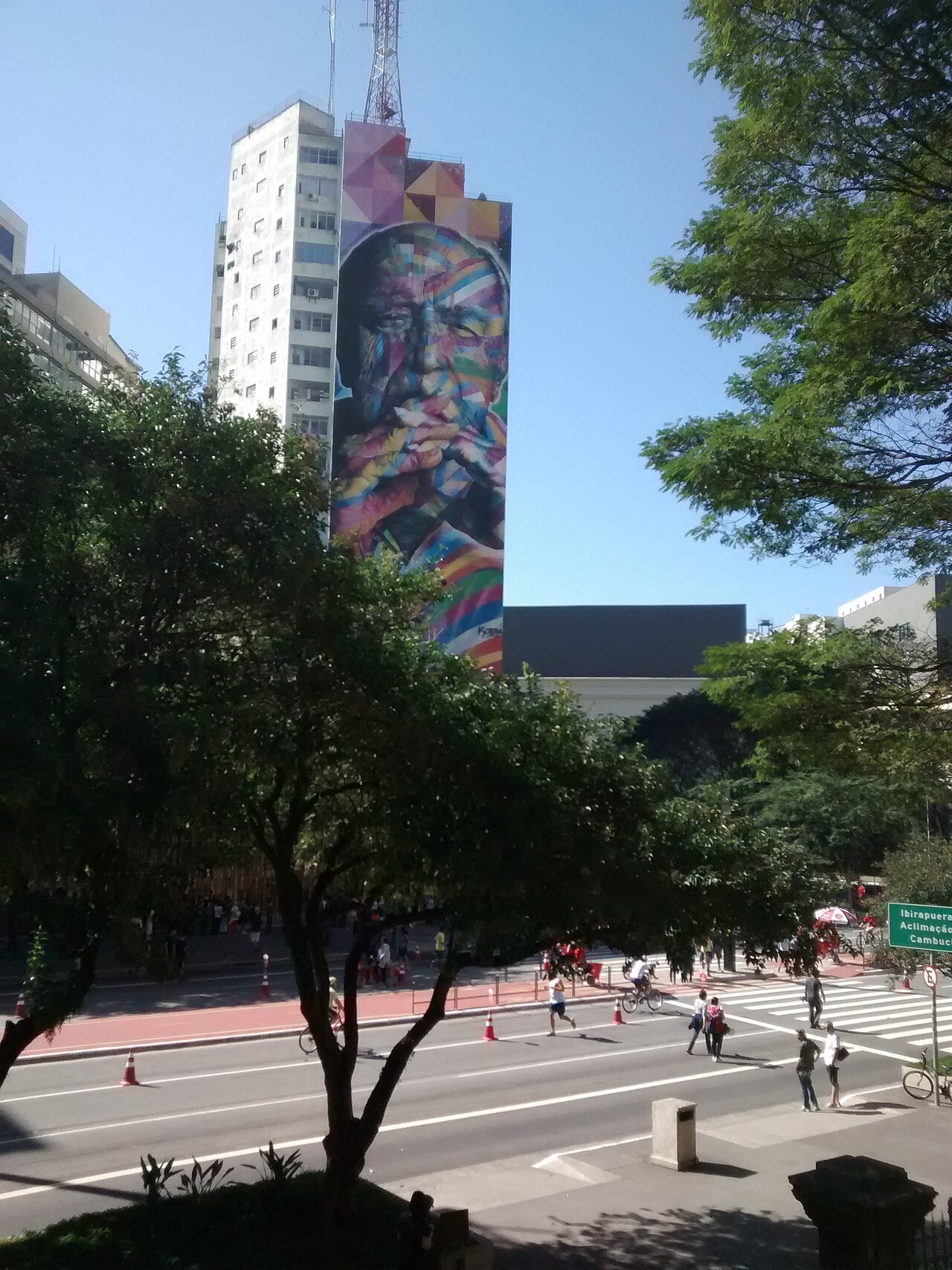
Avenida Paulista is the city's best-known avenue, wide and lined with trees and buildings, with people on foot and on bikes below. Look up from the sidewalk and a tall building wears a multicolored portrait from top to bottom, one of the biggest examples of São Paulo street art you can see without leaving the main road.
Scale changes what a mural is. A small wall is a detail. A wall the height of a tower becomes part of the skyline, a landmark people point to when they give directions. It is also a reminder that a mural is a real piece of building work: planning, scaffolds, patience and a long view of the street.

Where the city shops, and where it catches trains
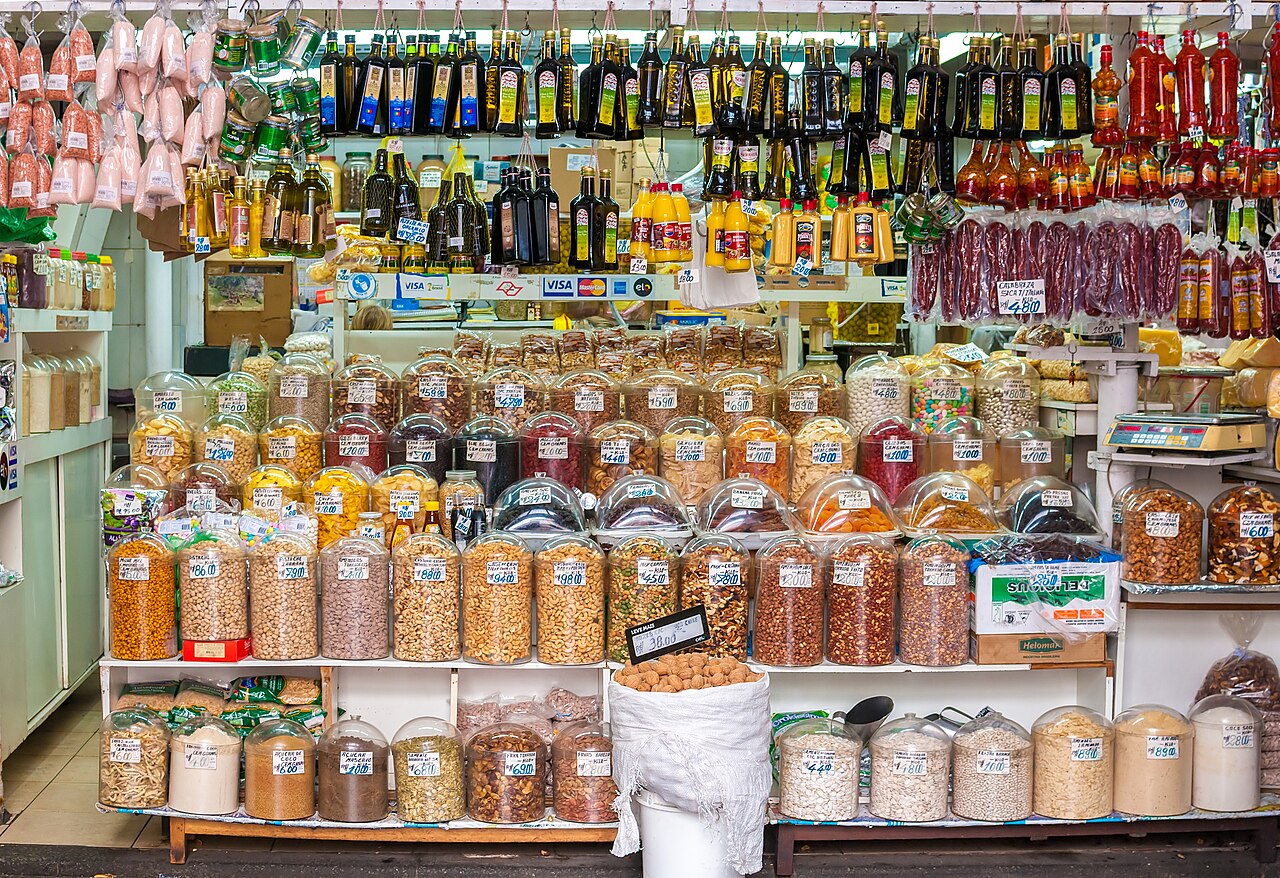
Not all of São Paulo's color sits on walls. At the Mercado Municipal in the center, a stall is stacked with jars of nuts and dried fruit, bottled oils and hanging sausages, and the display itself is a kind of composition. People come for the food and stay for the atmosphere.
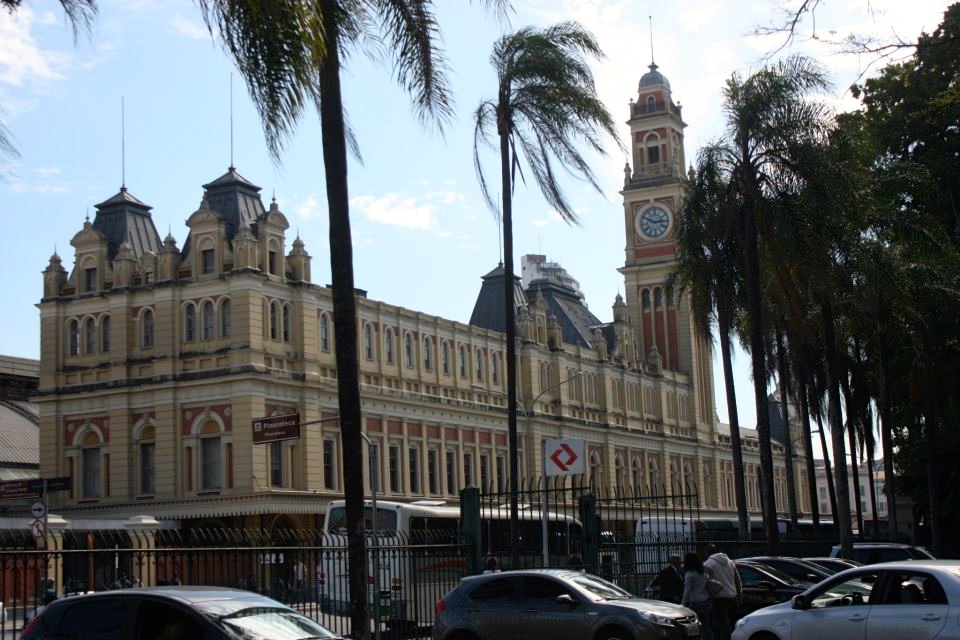
A few minutes away, the Estação da Luz holds platforms, brick buildings and a clock tower, with a red locomotive waiting beside them. These are the places where the city's daily rhythm is easiest to see, and where a painted wall would fit right in. The best murals tend to belong to a place like this: somewhere people already gather.


Room to breathe at Ibirapuera
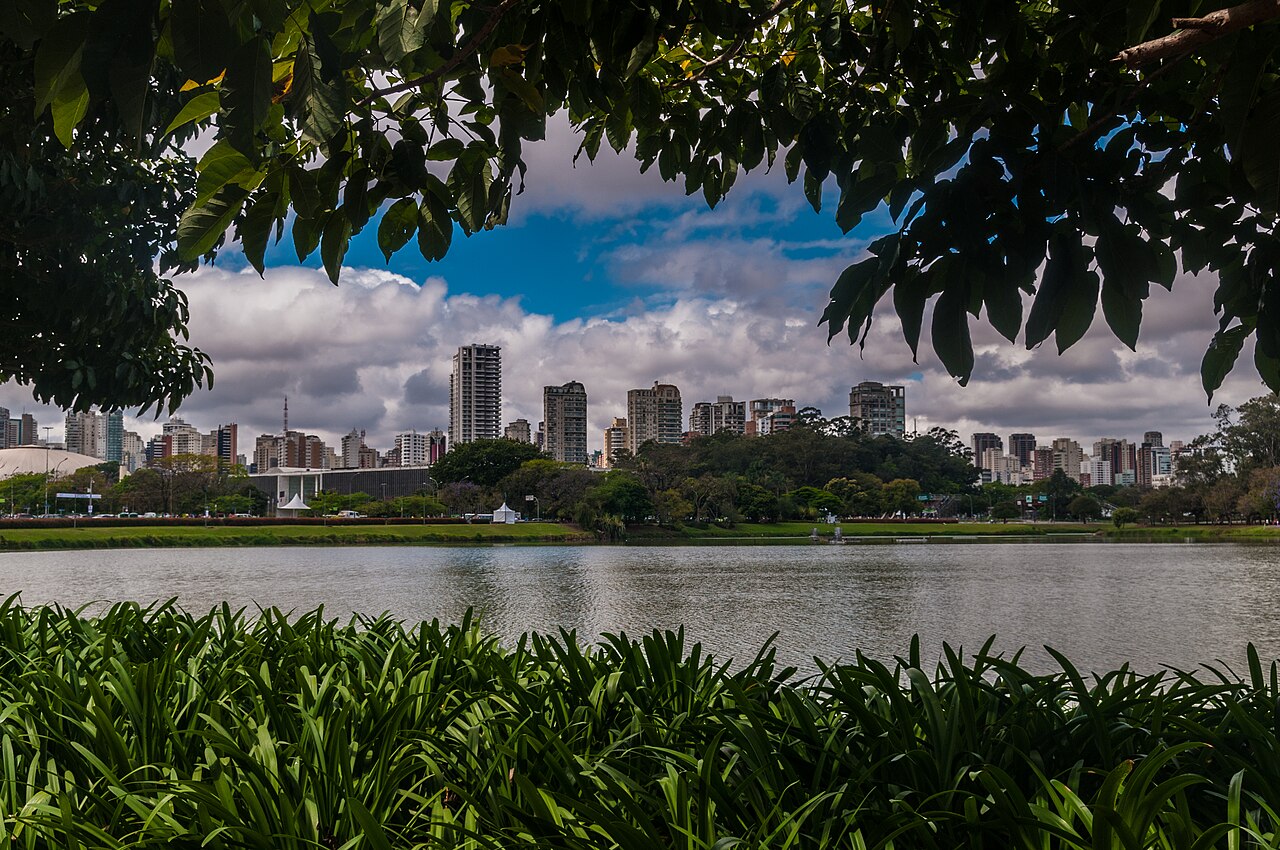
Finish in the park. Ibirapuera gives the city a lake, a lawn and a wide sky, with towers rising beyond the trees. After a day among walls, the open space feels like an exhale.
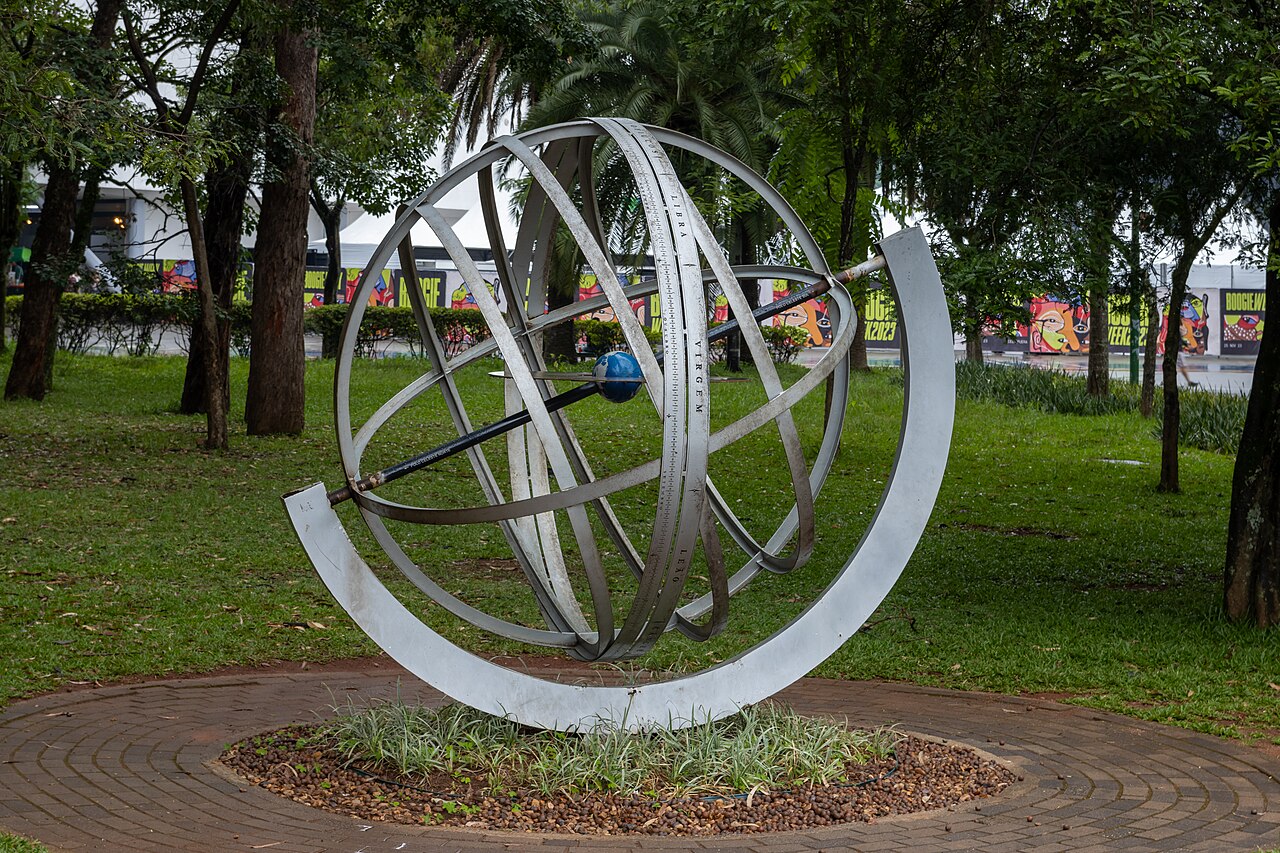
Even here, paint shows up. On the lawn, a metal armillary sphere sits in the grass, and behind it you can see painted fence panels. It is a small detail, but it shows how often color finds its way into a city that never stops making things.


If you have a wall in mind
Every wall in this story began as a blank surface and someone's decision to leave it less blank. If you manage a building and keep looking at a wall, we would be glad to hear about it. Tell us about your wall and we will take it from there. If you would rather keep exploring first, our São Paulo field guide page has more of the city's walls.
Frequently asked questions
- Where can I see murals in São Paulo?
- Good places to start are Beco do Batman in Vila Madalena, the corners around Rua da Consolação and Avenida Paulista, and the streets of the old center. Most can be reached by metro or on foot in a day.
- Which São Paulo neighborhoods have the best street art?
- Vila Madalena is the best-known for its painted lanes. Avenida Paulista and Bela Vista have large building-scale murals, and the center, including the area around Edifício Copan, has big downtown walls.
- Is street art legal in São Paulo?
- It depends on the wall and the owner. Murals painted with the property owner's permission are commissioned work; unsanctioned pieces are a different matter. If you own a wall and want a mural, ask a muralist and get the agreement in writing.
- How do I find a muralist in São Paulo for my building?
- Start with a painter whose style fits the wall and the neighborhood, then talk through the surface, size and look. Send us the details through our quote form and we will let you know how we can help.
All photos are free-licensed and credited under each image; license links go to the original file pages.
História da cidade · São Paulo · 6 min de leitura
Murais em São Paulo: uma grande cidade escrita nas paredes
De uma vista noturna sobre os telhados a um beco em declive na Vila Madalena, um passeio sem pressa pelos murais e pela arte urbana de São Paulo que dão escala humana a uma cidade enorme.
Comece acima das luzes
São Paulo é difícil de entender a partir da rua. É uma cidade de torres que parecem continuar até as colinas as interromperem, e a primeira coisa honesta a fazer é olhar tudo de uma vez. À noite, do alto do centro antigo, as ruas aparecem como linhas de luz entre quarteirões densos, e dá para sentir quanta gente divide a mesma vista.
Depois você desce. Os murais de São Paulo importam porque funcionam na escala oposta. Numa cidade deste tamanho, uma parede pintada é uma das poucas coisas que falam com uma única pessoa que passa.
Um prédio em forma de onda
O edifício Copan é um dos prédios mais fáceis de reconhecer no centro. Sua fachada se curva em faixas longas, como ondas, sobre a esquina da rua, e é um bom lembrete de que São Paulo sempre gostou de superfícies ousadas. O arquiteto, Oscar Niemeyer, está entre os nomes mais conhecidos do Brasil.
Um prédio assim define o clima do que vem a seguir. Num lugar onde o concreto pode se curvar e brilhar, faz sentido que as paredes ao redor recebam a mesma dose de imaginação.
Pelo beco da Vila Madalena
A Vila Madalena é onde a maioria dos visitantes encontra pela primeira vez a arte urbana de São Paulo, e o coração dela é o Beco do Batman, um beco estreito em que quase todas as paredes são pintadas. Olhos, dragões, planetas e rostos de desenho animado se espremem sem pedir licença. Uma barraca de artesanato fica na esquina, e a tinta parece seguir até a borda dela.
O que chama a atenção é como o beco funciona como uma sala compartilhada. As obras se sobrepõem, ficam lado a lado e mudam com o tempo. Você não olha uma parede só; você vai passeando por todas elas.
Perto dali, uma rua em declive conta a mesma história em escala maior. Personagens de desenho pintados enfileiram os dois lados enquanto a rua desce, e prédios de apartamentos aparecem atrás dos telhados. A arte e a cidade do dia a dia são vizinhas próximas aqui, e essa é a melhor parte.
Uma boas-vindas na esquina
De volta em direção ao centro, na Rua da Consolação, perto da Avenida Paulista, uma esquina abriga o mural de um homem barbudo sentado, com uma placa de Welcome to Brazil nas mãos. A cor vem em peças geométricas nítidas, como um rosto recortado em vitral.
É uma ideia simples, e funciona por um motivo: a esquina é onde as pessoas param. Uma parede ali é vista por quem espera o sinal abrir, por quem está atrasado para o trabalho, por quem acaba de chegar à cidade. Uma mensagem amigável em letras grandes dá ao bairro algo para dizer.
Algo mais sombrio, e igualmente bem-vindo
Nem todo mural de São Paulo é alegre, e a cidade é melhor por isso. No centro, uma grande parede mostra uma figura esquelética encapuzada segurando um coração anatômico sobre roxo e creme. É séria, finamente desenhada e um pouco inquietante, e mantém seu lugar numa rua movimentada sem precisar se explicar.
Paredes assim lembram que murais não são só decoração. Alguns fazem uma pergunta e deixam a resposta com você.
A parede alta da Paulista
A Avenida Paulista é a avenida mais conhecida da cidade, larga e cercada de árvores e prédios, com gente a pé e de bicicleta lá embaixo. Olhe para cima, da calçada, e um prédio alto veste um retrato multicolorido de cima a baixo, um dos maiores exemplos de arte urbana de São Paulo que você pode ver sem sair da avenida principal.
A escala muda o que um mural é. Uma parede pequena é um detalhe. Uma parede da altura de uma torre passa a fazer parte do horizonte, um marco que as pessoas apontam ao dar direções. É também um lembrete de que um mural é um trabalho de obra de verdade: planejamento, andaimes, paciência e uma visão de longo prazo da rua.
Onde a cidade faz compras e pega o trem
Nem toda a cor de São Paulo está nas paredes. No Mercado Municipal, no centro, uma banca empilha potes de castanhas e frutas secas, óleos engarrafados e linguiças penduradas, e a própria exposição é uma espécie de composição. As pessoas vêm pela comida e ficam pelo clima.
A poucos minutos dali, a Estação da Luz reúne plataformas, prédios de tijolo e uma torre de relógio, com uma locomotiva vermelha parada ao lado. São lugares onde o ritmo diário da cidade é mais fácil de enxergar, e onde uma parede pintada se encaixaria bem. Os melhores murais costumam pertencer a um lugar assim: um lugar onde as pessoas já se reúnem.
Espaço para respirar no Ibirapuera
Termine no parque. O Ibirapuera oferece à cidade um lago, um gramado e um céu amplo, com torres que se erguem além das árvores. Depois de um dia entre paredes, o espaço aberto parece uma expiração.
Até aqui a tinta aparece. No gramado, uma esfera armilar de metal repousa na grama e, atrás dela, é possível ver painéis de cerca pintados. É um detalhe pequeno, mas mostra como a cor sempre encontra um caminho numa cidade que nunca para de fazer coisas.
Se você tem uma parede em mente
Cada parede desta história começou como uma superfície em branco e a decisão de alguém de deixá-la menos em branco. Se você administra um prédio e vive olhando para uma parede, vamos adorar saber dela. Conte-nos sobre a sua parede e nós cuidamos do resto. Se preferir continuar explorando antes, a página do guia de São Paulo tem mais paredes da cidade.
Perguntas frequentes
- Onde ver murais em São Paulo?
- Bons pontos de partida são o Beco do Batman, na Vila Madalena, as esquinas em torno da Rua da Consolação e da Avenida Paulista, e as ruas do centro antigo. A maioria pode ser alcançada de metrô ou a pé em um dia.
- Quais bairros de São Paulo têm a melhor arte urbana?
- A Vila Madalena é a mais conhecida por seus becos pintados. A Avenida Paulista e a Bela Vista têm murais em escala de prédio, e o centro, incluindo a região do Edifício Copan, tem grandes paredes.
- Grafite é legal em São Paulo?
- Depende da parede e de quem é o dono. Murais pintados com a permissão do proprietário são trabalho encomendado; peças sem autorização são outra questão. Se você é dono de uma parede e quer um mural, converse com um muralista e deixe o acordo por escrito.
- Como encontrar um muralista em São Paulo para o meu prédio?
- Comece por um artista cujo estilo combine com a parede e com o bairro, e converse sobre a superfície, o tamanho e o visual. Envie os detalhes pelo nosso formulário de orçamento e avisaremos como podemos ajudar.
Todas as fotos têm licença livre e levam o crédito abaixo de cada imagem; os links de licença levam às páginas dos arquivos originais.